In advanced smart garden systems and autonomous outdoor machinery like electric lawnmowers and robotic gardening devices, crystal oscillators play a vital yet often overlooked role. These precision components are essential for maintaining synchronized communication, reliable signal processing, and stable timing in environments where vibration, temperature fluctuations, and moisture are inevitable. In the context of industrial-grade or consumer-grade satisfactory performance for outdoor automation, the role of oscillators extends far beyond basic clock generation.

                                              crystal oscillator in outdoor robotics 

Precision Timing in Harsh Environments

Crystal oscillators serve as the timing backbone for embedded systems, microcontrollers, and wireless communication modules used in robotic lawnmowers and automated garden machines. These devices often operate under direct sunlight, in fluctuating weather, or on rough terrain, requiring clock components that can function reliably across wide temperature ranges, typically from -40°C to +85°C or even higher. Standard oscillators may drift or fail under such conditions, leading to disrupted operations, signal errors, or uncoordinated motion control.


For instance, in brushless DC motors (BLDCs) used to drive the wheels or cutting blades of smart garden robots, precise pulse-width modulation (PWM) control is necessary. This is only possible if the oscillator stability remains intact despite environmental stress.


Vibration Resistance and Mechanical Reliability

Unlike indoor electronics, outdoor robotics such as autonomous mowers are constantly exposed to mechanical shock and vibration. When cutting grass or navigating uneven terrain, vibrations can interfere with sensitive timing circuits. Vibration-resistant crystal oscillators, often constructed with ruggedized ceramic or metal packages and epoxy-sealed joints, are engineered to minimize mechanical resonance that would otherwise cause timing jitter or data corruption.


These oscillators typically follow stringent MIL-STD-202 or AEC-Q200 testing protocols to ensure operational integrity in mobile or semi-industrial systems. Their mechanical resilience contributes directly to the long-term satisfactory performance and operational lifespan of smart gardening devices.


Moisture Protection and Long-Term Reliability

Outdoor automation must also contend with high humidity, rainfall, or dew accumulation. Moisture intrusion is a silent killer for electronic circuits, especially those responsible for high-frequency signal integrity. To address this, moisture-resistant crystal oscillators with hermetic sealing or advanced conformal coatings are preferred. These protective features prevent condensation from interfering with the quartz element’s vibration or shorting internal circuits.


In embedded RF modules used for Wi-Fi, Bluetooth, or proprietary communication systems, a moisture-compromised oscillator could lead to packet loss, unstable connections, or reduced range. Therefore, environmental protection in oscillator packaging is not just a matter of durability but also a prerequisite for uninterrupted connectivity.


Synchronization in Multi-Sensor Systems

Electric gardening robots often integrate multiple sensors—ranging from ultrasonic, LIDAR, GPS, to inertial measurement units (IMUs)—for autonomous navigation and object avoidance. These modules rely on tightly synchronized signals to calculate position, detect edges, or plan efficient mowing paths. Low phase noise crystal oscillators help maintain timing consistency across these modules, enabling real-time decision-making.


Without accurate frequency sources, sensor data fusion becomes unreliable, leading to behavior such as inaccurate mapping or inefficient path tracking—negatively affecting system performance.

Energy Efficiency and Signal Stability

In battery-powered robotic garden equipment, power consumption is a critical design constraint. Low-power crystal oscillators, such as temperature-compensated (TCXO) or micro-power variants, ensure that timing functions remain stable without significantly draining the battery. These oscillators are often used in real-time clocks (RTC) and sleep-wake cycles of the main control unit, allowing intelligent power management strategies to extend operational time between charges.


Moreover, maintaining signal stability over long periods helps avoid unnecessary recalibrations or software interruptions, contributing to the overall operational satisfaction of the end-user.


Crystal oscillators used in smart gardening equipment like electric lawnmowers and autonomous garden robots must meet demanding requirements in terms of temperature tolerance, vibration resistance, and moisture protection. Their role is foundational to ensuring signal integrity, synchronization, and energy efficiency in these mobile, outdoor platforms. As garden automation becomes increasingly sophisticated, the need for robust and high-precision timing components becomes even more crucial—making crystal oscillators indispensable for achieving long-term satisfactory performance in real-world applications.


Managing multiple devices can be a logistical challenge, whether in schools, hospitals, offices, or public spaces. Thats where our premium 10-port USB-C charging cabinet comes in—designed to effortlessly meet modern device management needs. Made from high-quality, sturdy steel, this cabinet boasts a scratch-resistant finish and can support heavy loads, ensuring durability even in high-traffic environments. Its space-saving wall-mount design, with included mounting accessories, helps maximize limited space while keeping devices organized and accessible.

The convenience is unmatched: this unit arrives fully assembled, so theres no need for complicated setup. Its sleek design features a stylish cut pattern, which not only adds to the aesthetic but also improves heat dissipation, safeguarding devices during fast charging. Security is prioritized with two included keys, giving you peace of mind that your valuable equipment remains protected. Compact yet powerful, this cabinet offers a clean and professional look that fits seamlessly into various settings.

Designed for versatility, this charging station is perfect for diverse environments—schools, universities, healthcare facilities, airports, libraries, and beyond. It simplifies device management, reducing clutter and eliminating the chaos of multiple chargers. Whether stocking up a classroom with Chromebooks or providing a secure charging station in a healthcare setting, it offers a practical, efficient solution for busy spaces.

Powered by a robust 1000W system, it can charge up to ten devices at once—laptops, tablets, or Chromebooks—safely and quickly. The built-in high-quality charging pad makes setup even easier, providing reliable power on demand. For organizations seeking an effective, space-efficient, and secure device charging solution, this cabinet is a smart investment that boosts productivity and order.

In the intricate world of modern electronics, the stability of an oscillator is paramount, particularly in applications where precise timing and frequency control are critical. While various types of oscillators exist—from LC oscillators and RC oscillators to ceramic resonators—the crystal oscillator stands out as the undisputed champion when it comes to stability. Its superior performance stems from the unique properties of piezoelectric quartz crystals, making it an indispensable component in sophisticated systems like Energy Management Systems (EMS) and Battery Management Systems (BMS).

               crystal oscillator

The Heart of Stability: Crystal Oscillator Working Principle

At its core, the exceptional stability of a crystal oscillator lies in the crystal oscillator working principle. These devices utilize the piezoelectric effect, a phenomenon where certain materials generate an electric charge in response to applied mechanical stress, and vice versa. Quartz, being a naturally piezoelectric material, vibrates at a precise resonant frequency when an alternating voltage is applied across it. This mechanical resonance is incredibly stable, much more so than the electrical resonance in LC or RC circuits, which are more susceptible to temperature fluctuations, voltage changes, and component aging.


The quartz crystal acts as a highly selective filter, allowing only a very narrow range of frequencies to pass through. When integrated into an oscillating circuit, the crystal's natural resonance dictates the oscillation frequency. Any deviation from this frequency is strongly suppressed by the crystal's high Q-factor (quality factor), leading to extremely stable and accurate output. This inherent stability makes the crystal oscillator the preferred choice for applications demanding unwavering precision.

     crystal oscillator working

Essential Roles in Energy and Battery Management Systems

The precise timing offered by crystal oscillators is not merely a technical advantage; it's a fundamental requirement for the reliable operation of critical systems like EMS and BMS.


In Energy Management Systems (EMS):

EMS are designed to optimize energy usage, monitor power flow, and ensure the efficient distribution of electricity. Within an EMS, crystal oscillators play a crucial role in several areas:


Accurate Voltage and Current Sensing: Precise timing from crystal oscillators is vital for the accurate sampling and digitization of voltage and current signals. This allows the EMS to obtain real-time, high-fidelity data on power consumption and generation, enabling efficient load balancing and fault detection. Without stable timing, these measurements would drift, leading to inaccurate energy assessments and potentially costly operational inefficiencies.


Data Synchronization: Modern EMS often rely on distributed sensors and control units that need to communicate and synchronize data across a network. High frequency crystal oscillator units provide the stable clock signals necessary for robust data communication protocols, ensuring that all components within the system operate in perfect unison. This synchronization is critical for tasks like demand-side management, where timely responses to grid conditions are essential.


Time-Sensitive Control Algorithms: Many energy management algorithms, such as those for smart grids and renewable energy integration, are highly time-sensitive. The consistent clock provided by a crystal oscillator ensures that these algorithms execute precisely when needed, leading to optimal energy dispatch and minimal waste.


In Battery Management Systems (BMS):

BMS are responsible for overseeing the performance and safety of battery packs, particularly in electric vehicles, portable electronics, and grid-scale energy storage. The reliability of a BMS is directly tied to the stability of its timing components.


Precise Cell Voltage Detection: Accurate measurement of individual cell voltages is paramount in a BMS to prevent overcharging or deep discharging, which can severely degrade battery life or even lead to hazardous conditions. Crystal oscillators provide the stable time base required for Analog-to-Digital Converters (ADCs) to sample these voltages with high precision, ensuring optimal battery health and longevity.


Current Monitoring and State-of-Charge (SoC) Calculation: Just like voltage, accurate current measurement is crucial for calculating the battery's State-of-Charge (SoC) and State-of-Health (SoH). The stable clock from an oscillator crystal ensures reliable current sensing, which in turn leads to more accurate SoC estimations and a better understanding of the battery's remaining capacity.


Thermal Management Synchronization: Many BMS employ active thermal management strategies, involving sensors and cooling/heating elements. The synchronized operation of these components, facilitated by crystal oscillators, ensures that the battery pack maintains an optimal operating temperature, preventing thermal runaway and maximizing performance.


Wireless Communication: For wireless BMS or those communicating with external systems, stable frequency generation is essential for reliable radio frequency (RF) communication. Whether it's Bluetooth, Wi-Fi, or proprietary wireless protocols, the underlying clock for these transceivers often relies on a crystal oscillator to maintain signal integrity and prevent data loss.


Choosing the Right Manufacturer and Type

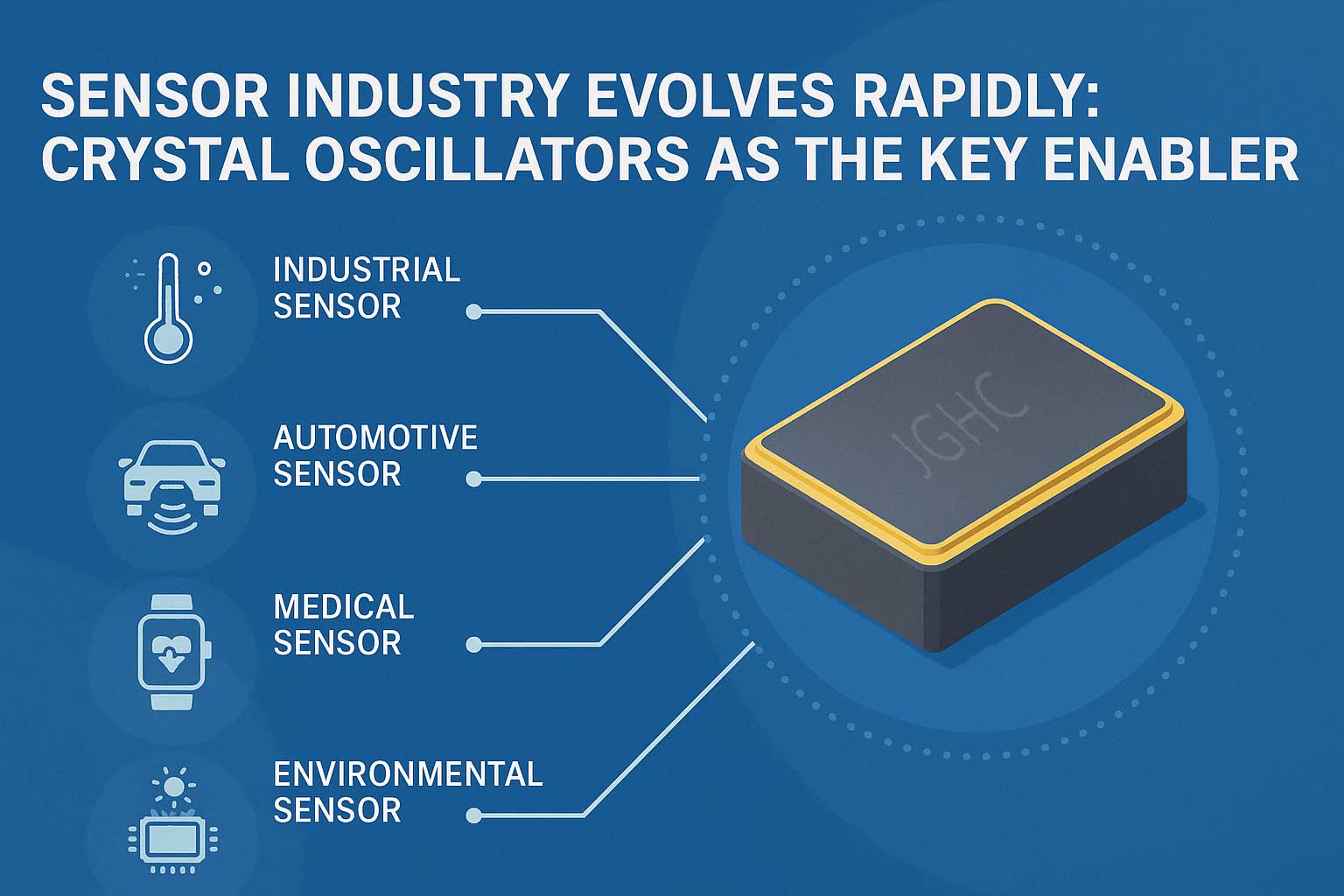
When it comes to selecting a crystal oscillator, partnering with a reputable crystal oscillator manufacturer is crucial. Companies with extensive experience and stringent quality control processes can ensure the reliability and long-term stability of their products. For instance, manufacturers like JGHC are recognized for their expertise in producing high-quality crystal components that meet the demanding requirements of industrial and automotive applications.


The specific type of crystal oscillator chosen will depend on the application's needs. While standard crystal oscillators offer excellent stability for many applications, more demanding environments might require temperature-compensated crystal oscillators (TCXOs) or oven-controlled crystal oscillators (OCXOs). TCXOs minimize frequency drift over a wide temperature range, while OCXOs provide even higher stability by maintaining the crystal at a constant temperature within a miniature oven. For very high-frequency applications, surface acoustic wave (SAW) oscillators might be considered, though their stability typically doesn't match that of traditional quartz crystal oscillators.


Beyond Stability: Other Considerations

While stability is the primary advantage of crystal oscillators, other factors also contribute to their widespread adoption:


Low Phase Noise: Crystal oscillators exhibit low phase noise, which refers to random fluctuations in the phase of the output signal. Low phase noise is critical in communication systems where it can otherwise degrade signal quality and increase error rates.


High Q-Factor: As mentioned earlier, the high Q-factor of quartz crystals contributes directly to their sharp resonance and excellent frequency selectivity. This inherent property makes them less susceptible to external interference and noise.


Long-Term Reliability: When properly manufactured and integrated, crystal oscillators are known for their exceptional long-term reliability and minimal frequency drift over their operational lifespan. This makes them ideal for mission-critical applications where maintenance or replacement is difficult or costly.


In conclusion, the crystal oscillator emerges as the most stable oscillator due to the inherent properties of quartz crystals and their superior piezoelectric effect. This stability is not merely an academic concept but a practical necessity, especially for the accurate voltage detection, data synchronization, and reliable wireless communication crucial for the effective operation of Energy Management Systems and Battery Management Systems. As electronics continue to evolve, the demand for ever more precise and stable timing components will only grow, solidifying the crystal oscillator's position as a cornerstone of modern technological advancement.


Triac Dimmable Led Driver


With the improvement of LED technology,the dimming mode of LED lighting is growing and people have more and more choice.For example,triac dimmalbe/ 0~10v dimmable/ PWM dimmable/ dali dimmable etc. Among them, 24v Output Dimmable Driver is the most popular one in many countries.


Although triac dimming is doubted by some people, it is irrevocable that triac dimming becomes ally with incandescent lamp & halogen lamp and occupies huge martket shares for dimming.In other words, if people would like to replace incandescent & halogen lamp by LED lighting, it is a must to use LED lamp which is compatible with triac dimmer.

In practice,it is easier to change only lamps without changing the connecting lines. Specifically,for the case that use incandescent or halogen lamp with dimming feature, there must be triac dimming switches and connecting lines inside the wall. It is obviously difficult to change the switch or the number of connecting lines. Thus the best way is to remove the incandescent lamp and install the LED lighting which can be compatible with triac dimming!
That is currently perfect solution for most users!
1.Easy to be installed.Users can change the lamp by themself and do not need any electrical engineering.
2.Cost saving as users don’t need to conduct the connecting lines again!

Energy saving and emission reduction is the principal theme all over the word,which makes LED lighting developing prosperously.It is approved to be an efficient method to save the energy by dimming feature. From this point of view,120w Triac Dimmable Driver would be in great demand and more popular in the market.Smarts Electronics is CE ETL audited LED driver manufacturer and Triac Dimmable Led Driver is the superior product! More details or question about Smarts Electronics or Our triac dimmable LED driver, you can visit https://www.smarts-electronics.com/ or contact with Mr. Steven ( Skype:steven821228 / mail:steven@smartselectronic.com.cn)

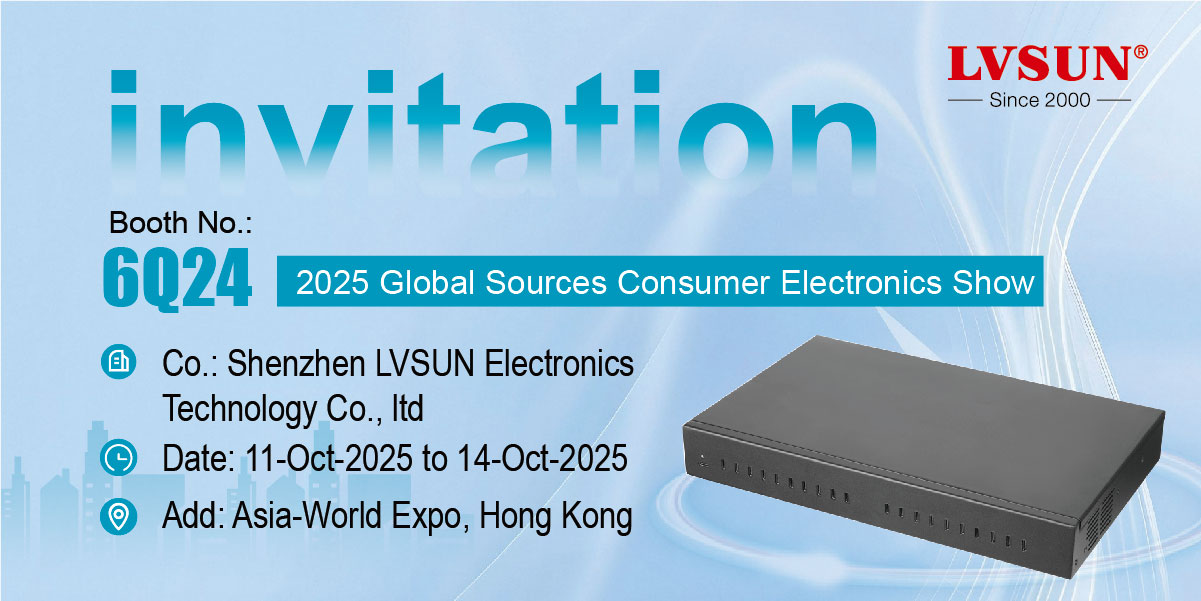
Managing multiple devices simultaneously is essential, especially in educational settings, offices, or shared spaces. LVSUN’s 20-port USB-C charging station is designed for high-capacity use, supporting up to 20 tablets, smartphones, or VR devices at once. Whether for a school, corporate environment, or gaming center, this versatile charger streamlines device management while ensuring all equipment stays powered and ready to go.

20-port USB-C charging station
Safety is paramount when charging multiple devices. The charging station is equipped with LVSUN’s innovative intelligent IPA temperature control technology, which effectively regulates temperature during operation. Coupled with a built-in high-efficiency fan, this system prevents overheating, enhances cooling performance, and guarantees safe, efficient charging—even under heavy usage. This makes the station ideal for various applications, from educational institutions to VR gaming setups.


Designed with a compact size, this 500W USB-C charging station is perfect for centralized device management without occupying much space. Its user-friendly layout simplifies cable organization and device supervision, making it highly suitable for schools, offices, and entertainment venues. Whether you need a dedicated tablet, phone, or VR charging station, LVSUN’s 20 ports USB-C station provides a reliable, efficient, and space-saving solution for all your charging needs.

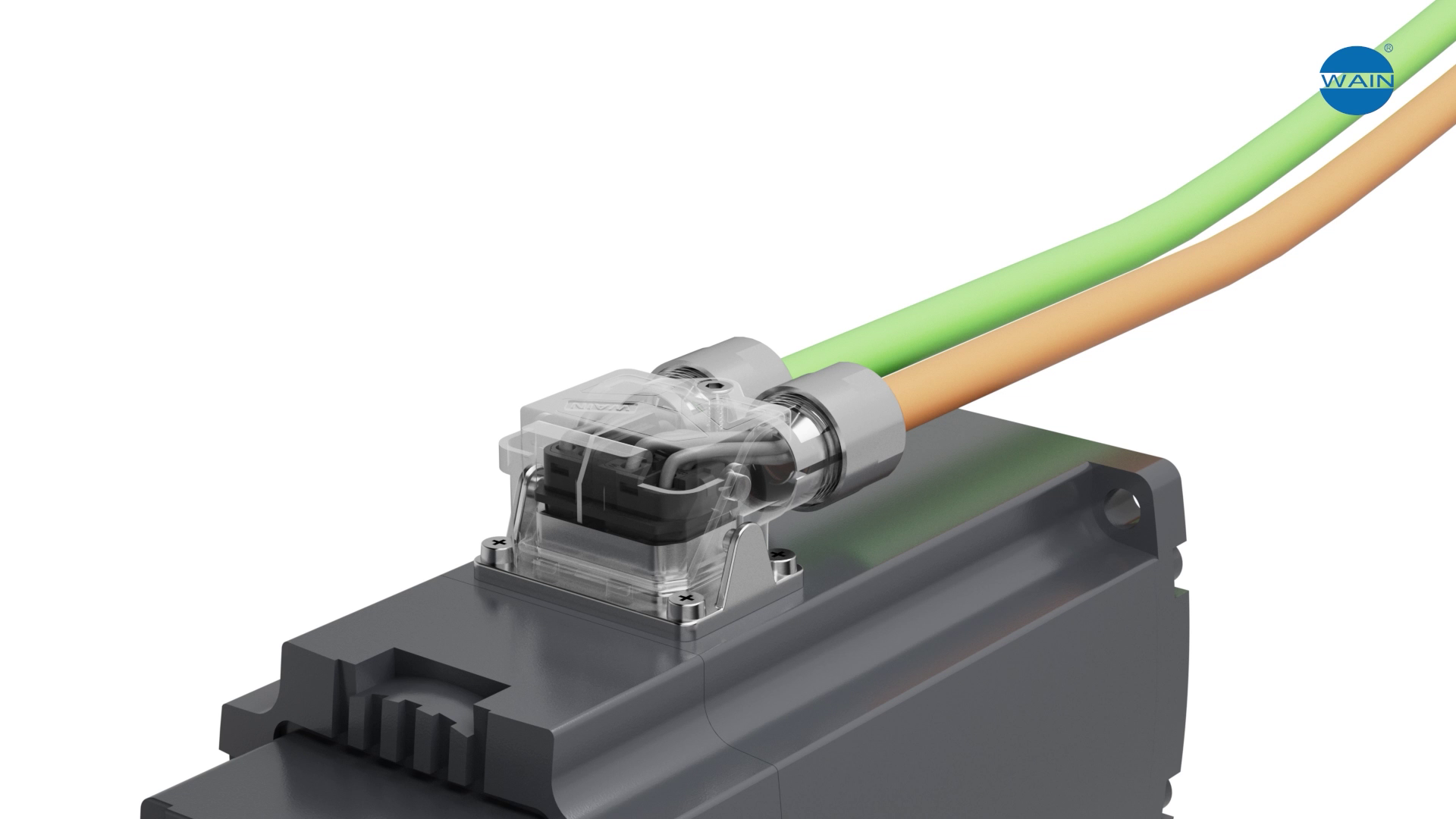
The WNHVIPT-1 through-wall series connector is a high-voltage shielded connector with a plastic housing, meticulously developed by WAIN for internal high-voltage connections in new energy vehicles. This connector is widely applicable in passenger vehicles, construction machinery, special-purpose vehicles, as well as key components such as electric motors and motor controllers for electric motorcycles.
With extensive technical expertise and a comprehensive product portfolio in this field, WAIN ensures that the WNHVIPT-1 series connectors are perfectly compatible with shielded cables of various specifications, covering different wire sizes from 2.5mm² to 95mm². This versatility fully meets the demands of diverse application scenarios.
Additionally, the series excels in current-carrying capacity, supporting up to 320A MAX, making it ideal for high-power, high-current operating environments. 


In the realm of electronics, the terms "crystal oscillator" and "clock" are often used interchangeably, leading to some confusion. While closely related, they are not precisely the same. A crystal oscillator is an electronic circuit that uses the piezoelectric effect of a vibrating crystal (typically quartz) to create an electrical signal with a very precise frequency. This highly stable and accurate frequency is then used as the fundamental timing reference, or clock signal, for a wide array of digital and analog circuits. So, while a crystal oscillator generates the stable frequency, it's the resulting signal that functions as the system's clock. This distinction becomes increasingly important as we delve into the intricate world of modern smart mini-appliances, where precision timing is paramount for seamless operation and communication.

Crystal oscillator for smart aroma diffuser timing 


The Indispensable Role of Crystal Oscillators in Miniaturized Smart Devices

The rapid evolution of smart home technology has led to a proliferation of compact, personalized, and highly specialized devices. From the soothing ambiance of a smart aroma diffuser to the immersive experience of a mini portable projector, and the personal soundscape of a wearable speaker, these innovative gadgets share a common reliance on precise timing. At the heart of their stable communication and accurate control lies the often-unseen but critically important high-performance crystal oscillator.


Consider the smart aroma diffuser. This seemingly simple device integrates various functions: timed diffusion, app control, and sometimes even light and sound synchronization. For the diffuser to release mist at precise intervals, or for its integrated lighting to cycle through colors smoothly, a stable timing reference is essential. A miniature crystal oscillator provides the bedrock for these functions, ensuring the microcontroller responsible for timing operates accurately. Without this frequency control component, the diffuser might spray erratically, or its programmed schedules would deviate significantly, undermining the user experience. The timing accuracy offered by these components is what allows for the granular control users expect.


Similarly, mini projectors demand exceptional timing stability for their complex operations. High-definition video processing, wireless connectivity (Wi-Fi, Bluetooth), and precise synchronization between image generation and projection all depend on robust clock signals. A high-stability crystal oscillator ensures that the video frames are rendered and displayed without jitter, that the wireless communication protocols maintain their integrity, and that all internal components operate in perfect harmony. Any drift in the clock frequency would lead to noticeable visual artifacts, dropped connections, or system crashes, highlighting the crucial role of oscillator stability in multimedia devices. The intricate dance of millions of pixels across the screen relies on a highly stable frequency reference.


Precision Communication and Control: Beyond the Basics

The demands on crystal oscillators in smart mini-appliances extend beyond simple timing. They are foundational to reliable wireless communication. Devices like wearable speakers, which often connect wirelessly to smartphones or other audio sources, rely on crystal oscillators to generate the precise carrier frequencies for Bluetooth or Wi-Fi modules. If the reference clock for these modules is unstable, data packets can be corrupted, leading to audio dropouts, connection failures, or significantly reduced range. The frequency precision provided by the oscillator ensures that the wireless signals are transmitted and received accurately, maintaining a robust and uninterrupted connection. This is vital for maintaining signal integrity and preventing data loss in wireless transmissions.


Furthermore, precise control in these compact devices often involves intricate sensor integration and actuator manipulation. A smart aroma diffuser might incorporate humidity sensors and fan speed controllers. A mini projector could have temperature sensors and fan controls to manage heat dissipation. Each of these components requires synchronized operation, facilitated by a consistent system clock. The crystal oscillator acts as the heartbeat of the entire system, ensuring that data from sensors is read at the correct intervals and commands to actuators are executed with millisecond accuracy. This level of synchronization is only possible with a highly stable timing device.


The Miniaturization Challenge and Crystal Oscillator Innovation

The trend towards extreme miniaturization in smart home devices presents unique challenges for crystal oscillator manufacturers. These components must not only be small but also maintain their high performance in constrained environments, often with limited power budgets. Innovations in packaging technologies, such as Chip Scale Package (CSP) and Ceramic Surface Mount Device (CSMD), have enabled the creation of incredibly tiny yet powerful oscillators. Furthermore, advancements in manufacturing processes have led to crystals that exhibit even greater long-term stability and less susceptibility to environmental factors like temperature fluctuations. This focus on compactness and robustness is vital for their integration into ever-smaller product designs without compromising performance. The ongoing development of miniature oscillators is key to the continued innovation in this space, driving down the component footprint while improving performance reliability.


In conclusion, while a crystal oscillator is not a "clock" in the everyday sense, it is the fundamental component that generates the precise and stable electrical signal that serves as the system clock for countless electronic devices. In the world of personalized, miniaturized smart home appliances—from smart aroma diffusers and mini projectors to wearable speakers—the high-performance crystal oscillator is an unsung hero. It underpins stable communication, enables precise control, and facilitates the seamless user experiences we have come to expect. As these devices become even more sophisticated and ubiquitous, the demand for ever more precise, smaller, and robust crystal oscillators will only continue to grow, solidifying their indispensable role in the future of smart living.

In today's competitive hospitality industry, every detail shapes guest satisfaction. Headboard lamps have emerged as a silent powerhouse, and evolved from a niche feature to an essential element in modern guest room design. When selecting a hotel headboard light fixture, consider the following factors.


1. Functionality and Purpose


The primary function is often reading, however they can also be a source of indirect mood lighting. Determine which way you are most likely to use it.


2. Fixed or Adjustable


The lights with adjustable function are highly desirable, goose necks or adjustable arms or swivel heads allow each guest to position light exactly where they need it. On the other hand, fixed lights do not move and the usage is incredibly limited.


3. Brightness Levels


Offering dimmable options allows guests to adjust the brightness to their preference, creating different moods or catering to varying light sensitivities.


Gooseneck reading lamp
Bedside LED reading light with USB


4. Integrated Features


Built‑in USB charging ports or power outlets or touch‑switch activation in the base offer immense convenience to tech‑savvy travelers.


5. Mounting Style


Consider whether you want to mount the light on the headboard or the wall. You can choose recessed fixtures or surface mounted fixtures for both applications.


Wall LED reading lamp with switch
Hotel LED reading light headboard


6. Design Harmony


Choose finishes, shapes, and materials that reflect your property's aesthetic and complement the overall interior design of the hotel room. Whether sleek and minimal, classic and ornate, or rustic and natural, it can blend seamlessly into the surrounding.


At Sunwin, we provide headboard lights to exceed hospitality demands. As a top hotel project lamps vendor in China, we help properties worldwide merge style, function, and efficiency - proving that the smallest details often shine brightest. Ready to transform your rooms? Explore Sunwin's Headboard Lighting Collection or contact us now sales@sunwinhotellighting.com!

The 48V input DC charger, the 1000W USB-C charging station, features 10 ports of USB-C technology, each capable of delivering 100W for 10 ports. This powerful DC version USB-C charger enables multiple devices—such as laptops, tablets, and smartphones—to be charged simultaneously, providing a seamless experience without the hassle of multiple chargers or delays. It’s the perfect 10 ports USB-C charger for users who need to stay connected and powered up on the go.

Designed for maximum flexibility, this 1000W USB-C charging station supports diverse power sources with its 48V input capability, making it highly compatible across various environments. Its modular design simplifies integration into smart homes, corporate offices, or industrial automation systems, offering reliable, centralized energy management. Whether used in smart furniture, building automation, or remote monitoring setups, this #DC version USB-C charger ensures efficient and stable power supply, streamlining energy management everywhere.

1000W 10 USB-C DC Charging Station with 48V input

As technology advances, the demand for smarter and more efficient power management grows. The innovative 10 ports USB-C charger combines high power output, broad device compatibility, and intelligent features to meet the evolving needs of residential and industrial applications. Empower your environment with this next-generation power solution—reliable, efficient, and future-proof—for a smarter energy management experience.

          temperature-compensated crystal oscillator (TCXO)

In the world of advanced electronics and industrial automation, the demand for precise control and rapid data processing has led to a growing reliance on high speed clocks. These timing sources, often realized through crystal oscillators, are fundamental in enabling modern systems to function with accuracy and consistency. In particular, high speed clock signals are essential in applications such as precision motors, including servo motors and brushless DC motors (BLDC), where real-time control and synchronization are critical.


The Imperative of High-Frequency Control in Precision Motors

Precision motors are the workhorses of industries ranging from robotics and automation to medical devices and aerospace. Their ability to achieve precise movements, maintain stable speeds, and rapidly respond to commands is directly tied to the quality and frequency of their control signals. For servo motors, renowned for their closed-loop feedback systems, a high-frequency clock enables faster sampling rates of positional feedback, leading to more immediate error correction and smoother, more accurate motion. Imagine a robotic arm needing to place a tiny component with sub-millimeter accuracy; any delay in processing feedback or issuing corrective commands could lead to significant errors. A higher clock speed minimizes these latencies, allowing the servo motor to constantly adjust its position with greater finesse.


Similarly, BLDC motors, increasingly popular due to their efficiency and longevity, rely on precise electronic commutation. Unlike brushed motors, BLDCs use electronic controllers to switch the current in their windings, creating a rotating magnetic field that drives the rotor. The timing of these commutations is critical for optimal performance, efficiency, and torque ripple minimization. A high-speed clock allows the motor controller to generate these commutation signals with greater resolution and at a higher rate, leading to smoother torque delivery and more efficient operation. This improved control signal frequency also enhances the motor's ability to handle dynamic loads and sudden changes in demand, ensuring stable and reliable performance even in challenging environments. The ability to precisely control the phase currents at a much higher resolution due to a faster clock allows for advanced control algorithms to be implemented, further enhancing the motor’s performance and energy efficiency.


Furthermore, applications requiring real-time control and rapid data processing benefit immensely from elevated clock frequencies. Consider industrial automation systems where multiple motors are synchronized to perform complex tasks. A high-speed clock ensures that all control signals are issued with minimal temporal disparities, preventing desynchronization and maintaining the integrity of the automated process. This is not just about speed; it's about the responsiveness of the control system as a whole. Faster clocks contribute to a more deterministic system, where the timing of events is highly predictable, which is crucial for safety-critical applications and those requiring stringent performance guarantees.


The Unseen Hand: How Crystal Oscillators Shape System Stability

At the very heart of generating these critical clock signals lies the crystal oscillator. These tiny, often overlooked components are the unsung heroes responsible for providing the stable, accurate, and high-frequency timing pulses that every digital circuit needs. The performance of a crystal oscillator directly impacts the overall system stability and reliability. A poor-quality or unstable crystal can lead to timing errors, data corruption, and even system crashes, especially in demanding applications.


The frequency accuracy and frequency stability of a crystal oscillator are paramount. Frequency accuracy refers to how close the actual output frequency is to its specified value, while frequency stability describes how well the output frequency remains constant over time, temperature variations, and other environmental factors. In high-precision control systems, even minute deviations in the clock frequency can lead to accumulated errors, affecting the long-term performance of the motor or system. For instance, in a motor control unit, a drifting clock could cause inconsistencies in pulse width modulation (PWM) signals, leading to erratic motor behavior, increased vibrations, or reduced efficiency.


Moreover, the phase noise of a crystal oscillator is a critical parameter, particularly in applications involving communication or sensitive analog-to-digital conversions. Phase noise represents short-term fluctuations in the phase of a signal and can degrade the signal-to-noise ratio in communication systems or introduce jitter into digital signals. In the context of motor control, excessive phase noise could contribute to less precise timing of commutation events, leading to increased electromagnetic interference (EMI) or reduced motor efficiency. Therefore, selecting a crystal oscillator with low phase noise is crucial for maintaining signal integrity and optimal system performance.


The temperature stability of a crystal oscillator is another vital consideration. As ambient temperatures fluctuate, the resonant frequency of a crystal can drift. High-quality crystal oscillators are designed to minimize this drift, ensuring consistent performance across a wide operating temperature range. This is especially important for automotive applications or industrial equipment that may operate in harsh or uncontrolled environments. A stable clock source ensures that the motor control algorithms remain robust and accurate, regardless of external temperature variations.


In essence, the crystal oscillator acts as the fundamental time reference for the entire electronic system. Its stability directly translates to the reliability of digital communication, the precision of data acquisition, and ultimately, the accuracy of motor control. Investing in high-quality crystal oscillators, often characterized by their low jitter and high Q-factor, is not merely an option but a necessity for achieving predictable and repeatable system behavior, particularly when designing systems that demand the highest levels of performance and long-term reliability. The ability of the entire system to maintain synchronization across multiple components heavily relies on the rock-solid foundation provided by a stable clock.


Broader Implications of High-Speed Clocks

Beyond the immediate benefits for precision motors, the advantages of a high-speed clock permeate numerous other aspects of modern electronics. In general, a faster clock allows for more computational operations per unit of time, leading to higher processing throughput and faster execution of complex algorithms. This is evident in microcontrollers and digital signal processors (DSPs) used in various applications, from consumer electronics to high-performance computing. The ability to perform calculations more rapidly means that more sophisticated control strategies, such as field-oriented control (FOC) for BLDC motors, can be implemented with greater fidelity and responsiveness.


Furthermore, a high-speed clock facilitates faster data transfer rates between different components within a system. This is crucial for applications that involve significant data logging, real-time image processing, or high-bandwidth communication. In a system where data needs to be acquired, processed, and acted upon in milliseconds, the speed at which this information can flow is directly limited by the system clock. Higher clock speeds enable parallel processing capabilities and more efficient memory access, thereby reducing bottlenecks and improving overall system efficiency.


The concept of system latency is also directly impacted by clock speed. Latency refers to the delay between an input and a corresponding output. In any real-time system, minimizing latency is critical for responsiveness and control. A faster clock inherently reduces the time it takes for signals to propagate and for operations to complete, leading to a more responsive and interactive system. This is particularly noticeable in applications requiring immediate feedback, such as human-machine interfaces or robotic manipulation.


Ultimately, the drive towards higher clock speeds is a reflection of the increasing demand for more sophisticated, responsive, and precise electronic systems. While higher frequencies introduce challenges such as increased power consumption and electromagnetic compatibility (EMC) issues, the benefits in terms of performance, accuracy, and control often outweigh these considerations, particularly in the specialized domain of high-performance embedded systems and advanced motion control. The judicious selection and implementation of high-speed clocks and their underlying crystal oscillators are therefore fundamental design considerations for engineers striving to push the boundaries of what is possible in precision engineering.


In conclusion, the advantages of a high-speed clock extend far beyond merely making a system "faster." For precision motors like servo and BLDC motors, a high-frequency clock is indispensable for achieving the rapid, accurate, and stable control required for their optimal performance. Moreover, the stability and accuracy of the crystal oscillator, the source of these critical clock signals, profoundly influence the overall reliability and precision of the entire electronic system. As technology continues to advance and the demand for even greater precision and responsiveness grows, the significance of a robust and high-speed timing foundation will only continue to amplify, serving as the silent, yet essential, enabler of cutting-edge innovation.