In the world of online gaming, milliseconds matter. Whether you’re engaging in competitive esports or enjoying immersive open-world adventures, the difference between victory and defeat often hinges on one key factor: latency. Low latency is not just a technical specification — it defines the quality of user experience in modern gaming, influencing everything from controller responsiveness to visual clarity and system synchronization.

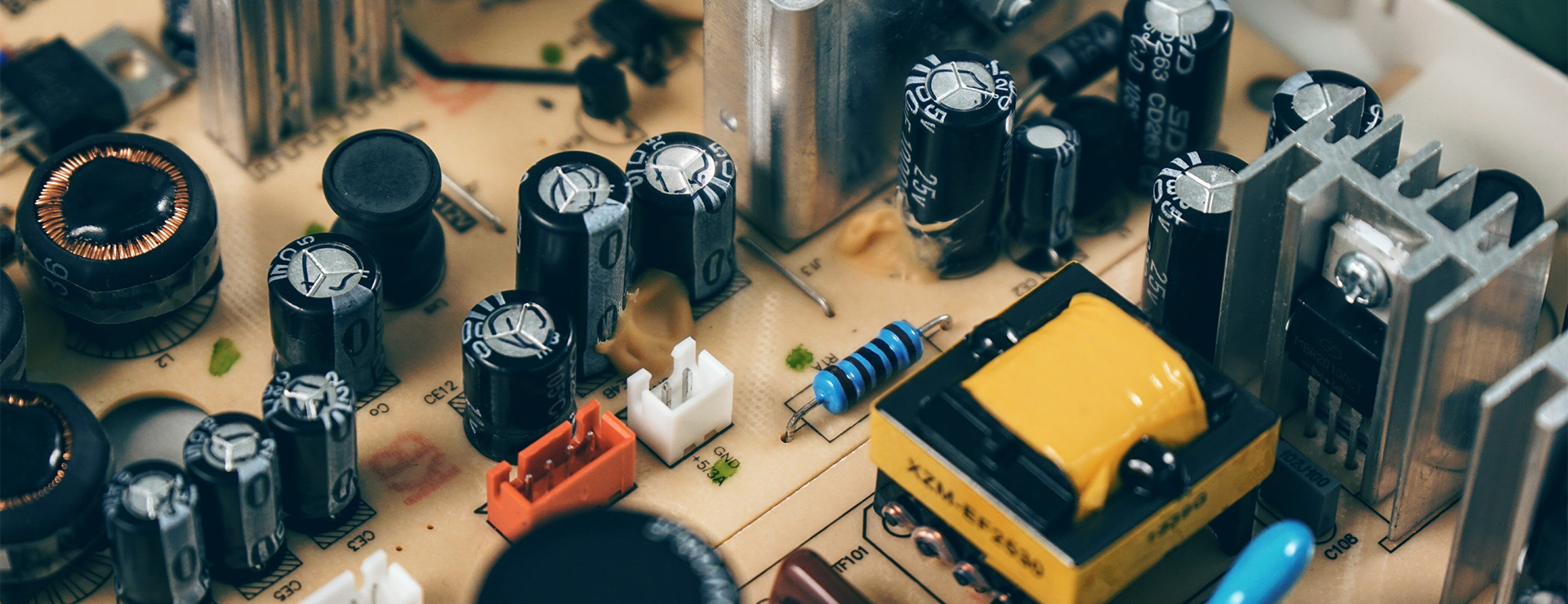
crystal oscillator for gaming 

The Role of Latency in Gaming Peripherals

Gaming peripherals such as mechanical keyboards, precision gaming mice, and high-refresh-rate displays are all designed with one goal in mind: minimizing the time between user input and on-screen action. This latency — often referred to as "input lag" — is crucial in fast-paced games like first-person shooters (FPS) or real-time strategy (RTS) titles, where split-second reactions are essential.


Custom crystal oscillators play a foundational role in achieving low-latency operation. These oscillators provide accurate timing signals to peripherals, ensuring that every keystroke and mouse click is processed without delay. For instance, a USB gaming mouse operating at 1000 Hz polling rate depends on a stable 12 MHz or 24 MHz crystal oscillator to maintain consistent signal timing. Inconsistent or jittery signals from subpar oscillators can lead to frame skipping or delayed input response, severely compromising gameplay.


High-Performance Displays and Refresh Rate Synchronization

Esports-grade gaming monitors often feature refresh rates of 144 Hz, 240 Hz, or even 360 Hz. These displays require precise clock timing to render frames smoothly and consistently. Any mismatch between GPU output and panel refresh can result in screen tearing, motion blur, or frame pacing issues — all of which can distract and disadvantage the player.


To solve this, many high-end monitors rely on temperature-compensated crystal oscillators (TCXOs) for reliable frequency stability, even in fluctuating thermal conditions. TCXOs maintain consistent timing across a wide range of environments, ensuring that the display's internal timing circuits stay synchronized with the GPU.


Latency in Gaming Consoles and Custom PCs

Modern gaming consoles and custom-built PCs are equipped with increasingly sophisticated timing architectures. From memory controllers to graphics subsystems, internal signal coordination must be precise. This is where low phase noise oscillators become critical. They reduce signal jitter in data buses and help maintain synchronized performance across multiple subsystems.


In high-performance gaming rigs, voltage-controlled crystal oscillators (VCXOs) are often utilized within clock generation circuits. VCXOs allow fine-tuning of clock frequencies to match overclocked GPUs or CPUs, helping ensure that the system's core frequencies remain in lockstep under heavy load. This results in smoother gameplay, lower frame latency, and fewer synchronization errors during peak performance.


Custom Frequency Solutions for Esports Equipment

Esports organizations and gaming hardware manufacturers are increasingly turning to custom frequency oscillator solutions to meet the unique latency and stability demands of professional gaming environments. By tailoring the oscillator’s frequency, stability range, and size to the specific application — whether it’s an ultra-compact wireless controller or a high-bandwidth HDMI transceiver — designers can eliminate bottlenecks and optimize device responsiveness.


For example, in tournament-grade gaming keyboards, a 3.3V SMD TCXO can provide both space efficiency and thermal resilience, ensuring that clock timing remains stable over long play sessions, regardless of environmental conditions. Such solutions are vital when milliseconds of lag can determine the outcome of a match.


The Hidden Impact of Clock Synchronization

While gamers often focus on visible aspects such as frame rate and resolution, the hidden backbone of a seamless gaming experience lies in clock synchronization. High-quality oscillators reduce timing mismatches between different system components, including memory, storage, display interfaces, and network modules. Poor synchronization leads to cascading delays — frame timing inconsistencies, lag spikes, or even data loss in online environments.


Real-time crystal oscillators (RTC) are also essential in coordinating time-sensitive tasks, especially in devices that need to maintain network timing, such as routers or game streaming hardware. Inaccurate RTC modules can disrupt time stamping and cause packet reordering issues in multiplayer games, ultimately degrading performance.


Low latency is more than just a buzzword in online gaming — it’s the result of deliberate engineering choices across hardware layers. From high-refresh-rate displays and gaming peripherals to custom-built PCs and network infrastructure, precision timing underpins a competitive edge.


Through the integration of custom frequency oscillators — including TCXOs, VCXOs, and low-jitter XO modules — hardware manufacturers can achieve the tight synchronization and signal integrity needed to support fast, fluid, and responsive gameplay. As gaming continues to push the limits of speed and immersion, the demand for precision timing components will only become more central to innovation in the esports and gaming technology landscape.JGHC is a professional crystal device manufacturer, providing high-quality crystal oscillators, resonators and custom frequency solutions. If you have product questions or purchase needs, please contact us at ivy@jghcrystal.com, WhatsApp: +8615989546472.


We often see a word on lighting products, "IP", followed by two numbers. What does it mean?

First, let's get to know IP. Here, "IP" is a standard formulated by the International Electrotechnical Commission (IEC), which is used to indicate the protective ability of electrical equipment enclosures against the invasion of foreign substances such as dust and moisture. 

The IP rating is composed of two digits. The first digit indicates the dust-proof rating, and the second digit indicates the water-proof rating. The larger the number, the higher the grade, and the better the water and dust resistance of the product.

IP67 indicates full dust protection and water immersion protection that can withstand short immersion.

So, how important is IP67 for chicken farming lighting?

Let's explain from the following three aspects.


1. Waterproof and dustproof ‌

The lighting equipment in chicken farms needs to have a high waterproof and dustproof rating (such as IP67) to cope with high-pressure water gun cleaning in chicken houses and harsh environments. High waterproof grade ensures that the lamp will not be damaged by water intrusion during cleaning, and dustproof grade prevents dust accumulation from affecting lamp performance.


2. Corrosion-resistant

Chicken farm lighting fixtures need to have corrosion-resistant characteristics to deal with ammonia and other chemicals in the chicken house, extend the lifespan of the lighting products. 


3. Safe and reliable

Lighting equipment should have flicker-free characteristics to reduce stress response to poultry and ensure healthy growth of poultry. It is a reliable chicken farm lighting.


‌Since IP67 is so important for chicken farming lighting, do all lighting products have the IP67 rating? The answer is no. 


Xiamen Good Light Technology Co.,Ltd. has launched LED intelligent poultry farm lighting products, with IP67 rating. What benefits can such products bring to chicken farms?


It has good waterproof and dustproof characteristics, ensuring that the product can still be used normally after being washed with a high-pressure water gun.

The poultry farm lighting equipment has a non-flickering feature to prevent the stress response caused by flickering and ensure the healthy growth of poultry.

The product is suitable for the high ammonia environment in chicken farms and has a good fire resistance rating, making it suitable for use in harsh conditions.

The product has excellent dust-proof and water-proof performance, and can also prevent circuit corrosion and light source attenuation, significantly extending its service life.

Product with IP67 rating can have a service life of more than 5 years, reducing the frequency of replacement and labor costs.

The IP67 dust-proof rating maintains the light transmittance of the lens, avoids the decrease in illuminance caused by dust coverage, and reduces the additional energy consumption for supplementary lighting.


So, here comes the question: Is the IP level of your farm lighting products sufficient?


led poultry farm lighting

In the poultry industry, light management is a key factor affecting poultry health, growth and poultry production efficiency. However, traditional poultry lighting has been difficult to meet the needs of modern farming due to high energy consumption, inaccurate regulation and maintenance costs. In contrast, modern intelligent poultry lighting, with the advantages of high efficiency and energy saving, intelligent regulation and accurate management, is gradually becoming a new standard in the industry. 


(Image source: Pexels)


How big is the gap between traditional lighting and intelligent lighting? Let's reveal the secret of how intelligent lighting brings higher returns and lower costs to farmers through comparison!


1. High energy consumption and large electricity cost

Traditional lighting (such as incandescent lamps, fluorescent lamps) has high energy consumption, large electricity costs, and high long-term use costs.

Modern intelligent lighting uses energy-efficient LED technology to reduce energy consumption by more than 30% and significantly save electricity bills.


2. Illumination regulation is not accurate

Traditional lighting can not accurately control the light intensity, spectrum and cycle, it is difficult to meet the needs of different growth stages of poultry.

Modern smart lighting supports intelligent dimming and automatic control, which can accurately adjust the lighting according to the needs of poultry.


3. Flicker problem, affecting poultry health

There are flicker problems in traditional lighting, which can easily lead to visual fatigue and stress reaction of poultry, affecting growth and egg production rate.

Modern intelligent lighting uses flicker-free design to protect poultry visual health and reduce stress.


4. Short service life and high maintenance cost

Traditional lighting fixtures have a short life, are easily damaged, and need to be replaced frequently, increasing maintenance costs and time.

Modern smart lighting uses durable materials with a service life of more than 5 years, reducing the frequency of maintenance.


5. Inability to adapt to harsh environments

Traditional lighting fixtures have poor waterproof and dust-proof performance, and are easily damaged in wet and dusty farming environments.

Modern intelligent lighting with waterproof, dustproof, corrosion resistant design, adapt to a variety of harsh environments.


6. Lack of intelligent management

Traditional lighting requires manual control, time consuming, low management efficiency.

Modern intelligent lighting supports remote monitoring and automated operation, reducing manual intervention and improving management efficiency.


7. Security risks

Traditional lighting has safety hazards such as leakage and short circuit, which threaten the safety of poultry and employees.

Modern intelligent lighting uses low-voltage design, safe and reliable, to avoid security risks.


8. Data analysis is not possible

Traditional lighting cannot record and analyze lighting data, making it difficult to optimize light management.

Modern intelligent lighting supports data recording and analysis to help farmers scientifically optimize lighting schemes.


9. Uneven lighting

The unreasonable distribution of traditional lighting fixtures easily leads to uneven lighting, which affects the growth and production performance of poultry.

Modern intelligent lighting can be customized according to the layout of the farm lighting solutions to ensure a uniform distribution of light.


10. Poor environmental protection

Traditional lighting has high energy consumption and large carbon emissions, which is not in line with the trend of green farming.

Modern intelligent lighting energy saving and environmental protection, reduce carbon emissions, help sustainable development.


In summary, the traditional poultry lighting in energy consumption, management, safety, environmental protection and other aspects of the obvious drawbacks, and modern poultry intelligent lighting through the advantages of energy saving, intelligent, precise regulation, effectively solve these problems, to provide farmers with a more efficient and more economical solution. 


Good Light Technology's latest intelligent poultry lighting products are in line with the above mentioned modern poultry intelligent lighting.

It has low voltage design.

It is designed for water, dust and corrosion resistance.

It features a flicker-free design and durable materials.

It uses energy-efficient LED technology.

It supports intelligent dimming and automated control.

It supports remote monitoring and automated operation.

It supports data logging and analysis.

It saves energy and it is environmentally friendly.

It can customize the lighting solutions according to the farm layout.

It is a star product with a very high return on investment.

If your farm is also facing the trouble and confusion caused by traditional lighting, choose smart poultry lighting, it will give you a different farming new future!


When outfitting a classroom or school district with the latest technology, a 32 ports USB-C iPad Charging Cabinet is an excellent solution for managing multiple devices efficiently. These USB-C tablets charging cabinets are designed to hold and charge up to 32 tablets simultaneously, providing a tidy, organized way to keep educational devices ready for use. The portability of a Portable School Charging Cart Station makes it ideal for K-12 environments, allowing teachers to easily move and connect devices between classrooms or different locations within the school.

A key feature to look for is a 700W USB-C PD Charging cabinet that supports fast and efficient charging. The Fast-Charging USB-C cabinet ensures that devices are powered up quickly, minimizing downtime and maximizing classroom productivity. For schools aiming to streamline their workspace solutions, these best devices for Workspace Solutions include models that are both compact and powerful, capable of handling a large number of tablets with ease.

Choosing a 700W USB-C charging cabinet is a good choice for K-12 Education tablets because of its ability to provide reliable, high-speed power without overheating or power loss. The tablets charging cabinet often features multiple ports and smart power distribution, allowing every device to charge safely and efficiently. This makes them suitable not just for current needs but also scalable for future school expansions or new device integrations.

For educators seeking a dependable, efficient way to manage their technology, investing in a Portable School Charging Cart Station with 32 ports USB-C support and robust power capabilities is essential. Whether for daily classroom activities or shared lab environments, these USB-C cabinets offer the perfect combination of portability, speed, and capacity to meet the demands of modern K-12 education. They truly stand out as the best devices for workspace solutions that keep students and teachers connected and ready to learn.

Powering robotic devices efficiently and reliably requires more than just a standard charger. The ideal power solution must be versatile, fast, and adaptable to different environments and device requirements. Our latest USB-C PD 3.1 charger offers a comprehensive answer, supporting a wide range of voltages and currents. With options like DC5V/9V/12V/15V/3A, 20V/28V/5A, 36V/3.89A, and 48V/2.92A, it ensures compatible, fast, and safe charging for diverse robotic applications. Additionally, support for PD 3.1 PPS adjustable from 3.3V to 21V up to 5A means that different devices can be charged efficiently under one power platform, reducing the need for multiple chargers.


When choosing a power solution for robotic systems, stability, efficiency, and safety are key. Thats why our custom-designed ROBOT charger is your best choice. Its engineered specifically for the ROBOT series, providing high efficiency and stable performance even during intensive operations. This ensures your robots operate smoothly, with reduced downtime due to power issues, and longer device lifespans.

PD3.1 48V Robot USB-C Charger

Traveling or operating in various regions? No problem. Our charger is equipped with multiple international plugs—US, Australian, European, and UK standards—making it adaptable worldwide. Supporting a universal voltage input of 100V to 240V, its the perfect companion for global deployment. The built-in high-quality USB-C cable adds extra convenience, eliminating the need to carry separate cables and making on-the-go charging effortless.


Our innovative IPA (Intelligent Power Adjustment) technology takes smart charging to the next level. It detects the connected device and automatically adjusts output parameters for maximum efficiency, safety, and device longevity. Compact yet powerful, delivering up to 140W, this charger is designed for portability and high performance. Whether in a factory, lab, or on a trip, its the smart, reliable power solution your robots deserve.

In 2025, wearable technology has evolved into an ecosystem of advanced, compact, and highly capable devices—most notably, smartwatches. These devices have transcended basic fitness tracking to become multifunctional companions that integrate health monitoring, communication, navigation, and contactless payment into a single wrist-worn form.

best timing solutions for ultra-thin smartwatches 

The Era of Multi-functional Smartwatches

Today’s smartwatches are expected to perform a wide range of tasks with precision and speed. Features such as real-time ECG monitoring, sleep tracking powered by machine learning, voice assistants, and seamless smartphone integration have become standard. This rise in functionality places a significant demand on the internal architecture of these devices.


A major engineering challenge lies in balancing functionality with form factor. With consumers demanding thinner, lighter wearables, manufacturers are pressed to miniaturize components without sacrificing performance. The drive for compact, multifunctional modules requires innovation not only in software but also in the foundational hardware.


Power Efficiency and Battery Life

Battery life remains a critical benchmark for user satisfaction. While some models tout multi-day performance, the integration of high-resolution displays and continuous sensor operation often compromises energy consumption. Consequently, every hardware component must be power-optimized.


For instance, Temperature Compensated Crystal Oscillators (TCXOs) have become essential in modern smartwatch design. These oscillators ensure precise frequency control even under fluctuating temperatures—crucial for GPS synchronization, Bluetooth connectivity, and heart rate sensor timing. Their low power consumption directly supports extended battery life without sacrificing signal stability.


Structural Constraints and Compact Design

The demand for a sleeker form factor has pushed the industry toward highly integrated designs. Flexible PCBs, stacked component layouts, and multi-functional chips are now common. As available space shrinks, the role of miniature crystal oscillators becomes increasingly vital. These components must maintain performance integrity while occupying minimal board area.


Products such as the SMD2016 crystal oscillator, which measures 2.0x1.6 mm and is housed in a metal package, are designed for next-generation wearable electronics. Despite their reduced size, they are still able to provide stable frequency performance, which is critical for Bluetooth and sensor timing. The use of non-ceramic materials enhances thermal conductivity and mechanical resilience, ensuring reliable operation in compact, high-density smartwatch layouts.
  miniature SMD oscillators for compact wearable design

Reliability in Continuous Monitoring

Smartwatches now support continuous monitoring of health data, including SpO2, heart variability, and skin temperature. This uninterrupted function demands a consistent and reliable clock source, unaffected by movement or external interference.


Quartz-based frequency components are preferred for their excellent phase noise characteristics and long-term stability. These features are especially important when devices operate 24/7, under both indoor and outdoor conditions. Some wearable designs now incorporate low-jitter VCXOs to support real-time audio signal processing for on-wrist calls and alerts.


The Role of Frequency Components in 2025 Wearables

Wearable tech relies on seamless communication—Bluetooth, Wi-Fi, LTE, and even ultra-wideband (UWB). The foundation for all these wireless technologies lies in stable timing and frequency references. As wireless protocols advance, the importance of precise frequency control grows.


For example, OCXOs (Oven Controlled Crystal Oscillators), although traditionally used in larger equipment, are seeing innovations in micro-packaged variants for advanced wearables used in military or industrial applications. These components guarantee ultra-high stability required for mission-critical communications.


Wearable technology in 2025 is a fusion of compact design, expanded functionality, and extended endurance. To achieve this, designers are increasingly reliant on precision components that balance performance and efficiency. Frequency control elements like TCXOs, VCXOs, and miniature SMD oscillators play a silent but critical role in meeting the technological demands of next-generation wearables. As innovation continues, the sophistication of these tiny components will only become more central to the evolution of wearable devices.If you have more product inquiries, please contact us at ivy@jghcrystal.com


CR123A vs AA Batteries in Security Sensors What You Need to Know


Not sure whether to use CR123A or AA batteries in your security sensors? It depends on your systems power demands, space constraints, and expected battery life.


CR123A Batteries Compact Power


Higher voltage (3V) means better performance in wireless motion detectors.


Longer shelf life up to 10 years, perfect for long-term deployments.


Lithium-based chemistry stable even in extreme heat or cold.


AA Batteries Cost-Effective and Accessible


Ideal for low-power keypads and remotes.


Easy to find and replace, but lower energy density.


May require more frequent replacements in wireless sensors.


Which Should You Use?


Use CR123A for critical wireless PIR sensors, glass break detectors, and outdoor modules.


AA may be sufficient for non-critical devices.


Bonus: Ask your supplier if the CR123A batteries they offer are UL or IEC certified for security system use.

Youve invested in top-tier batteries for your security system. But are you storing them correctly?

Storage Mistakes to Avoid

High humidity: Can corrode battery terminals and packaging.

Direct sunlight or heat: Shortens shelf life and increases self-discharge.

Mixing old and new stock: Leads to performance inconsistency in the field.

Best Practices for Battery Storage

Keep batteries in cool, dry environments (1525°C).

Store in original packaging to prevent accidental discharge.

Use a first-in, first-out (FIFO) approach to inventory management.

Shelf Life Expectations

CR2032 Batteries & CR123A Batteries: 810 years

Alkaline 9V / AA / AAA: 35 years depending on storage conditions

Good battery storage = reliable system performance when it matters most.

When it comes to security, a $0.10 savings per battery isn't worth the risk. Low-cost, unbranded alkaline batteries often lead to unreliable system performance and even damage to sensitive electronics.

The Risks of Using Cheap Batteries

Shorter lifespan frequent replacement increases maintenance cost.

Voltage inconsistency can trigger false alarms or device shutdown.

Leakage damages circuit boards in control panels or sensor housings.

What to Look For in a Reliable Battery

Stable discharge curve essential for alarm control panels.

Industrial-grade manufacturing tighter quality control.

Recognized certifications CE, UL, REACH, IEC standards.

Recommended Models

AA/AAA batteries for control panels and remotes.

CR123A/9V batteries for wireless detectors and backup circuits.

Invest in batteries that match the reliability of your security system.

Tired of your smoke alarm beeping in the middle of the night? You're not alone. One of the most common complaints in residential and commercial fire systems is battery failure often caused by poor battery choices or overlooked installation details.

Common Reasons Smoke Detector Batteries Fail

Low-quality batteries: Cheap batteries drain faster, especially in high-sensitivity devices.

Wrong battery type: Using zinc-carbon instead of alkaline 9V batteries can lead to frequent power drops.

Extreme temperatures: Cold storage areas can severely shorten battery life.

Loose connections: Batteries not seated properly can cause intermittent power and false alarms.

How to Fix the Problem

Always use certified alkaline 9V batteries for smoke alarms.

Replace batteries once a year, even if the device isn't beeping.

Choose brands with UL, CE, or ANSI certifications.

For high-demand environments, consider bulk supply from industrial-grade battery manufacturers.

Pro Tip: Mark a recurring calendar reminder to replace smoke detector batteries every 12 months.