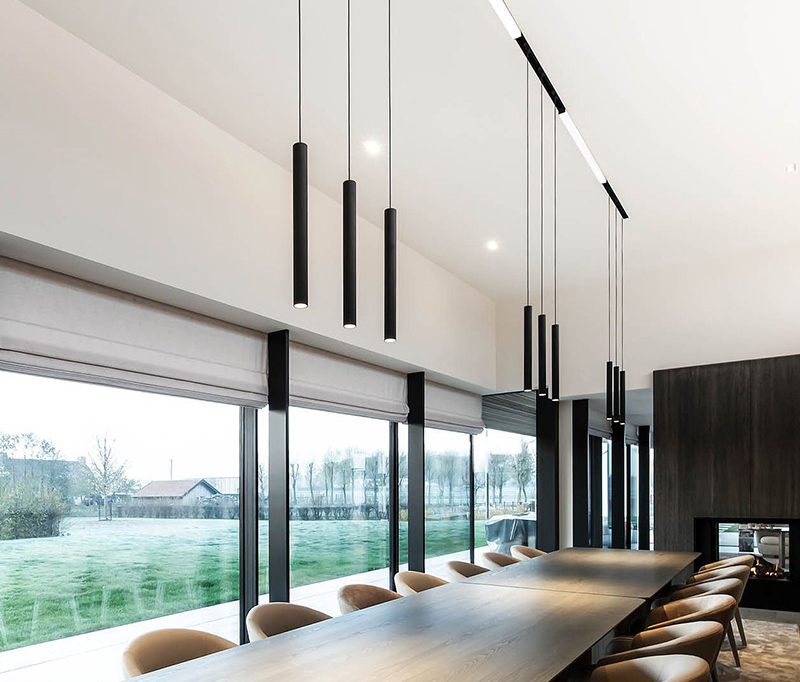
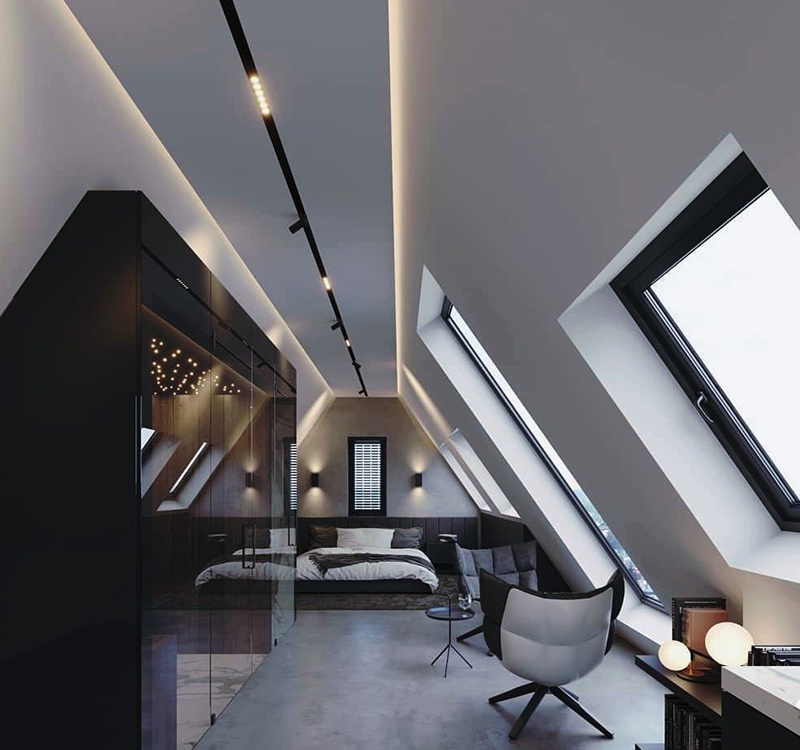
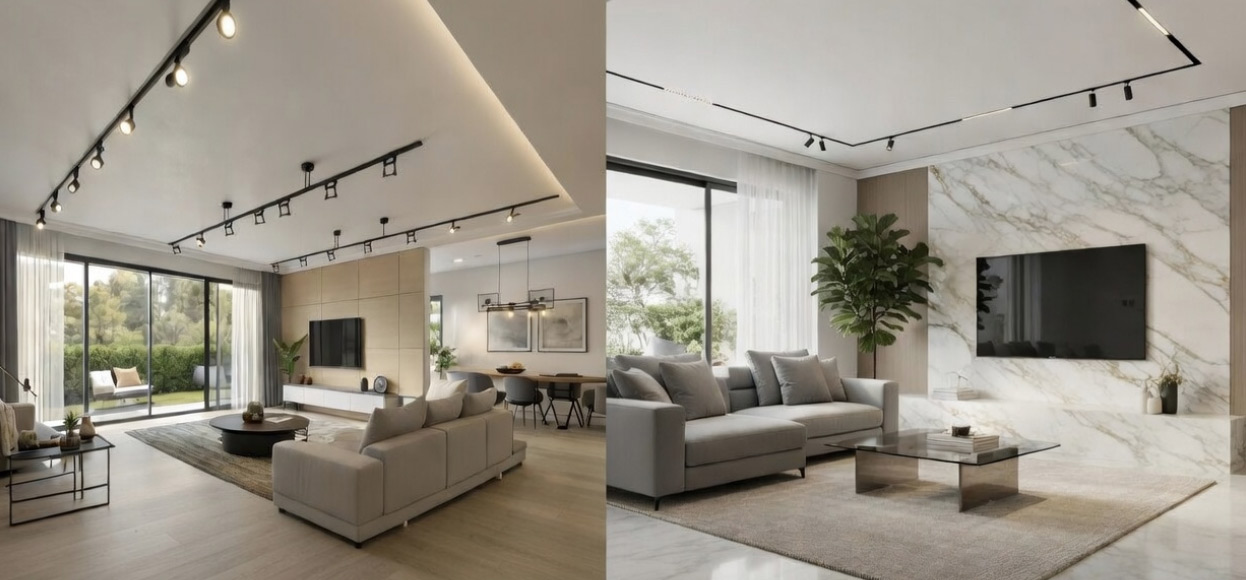
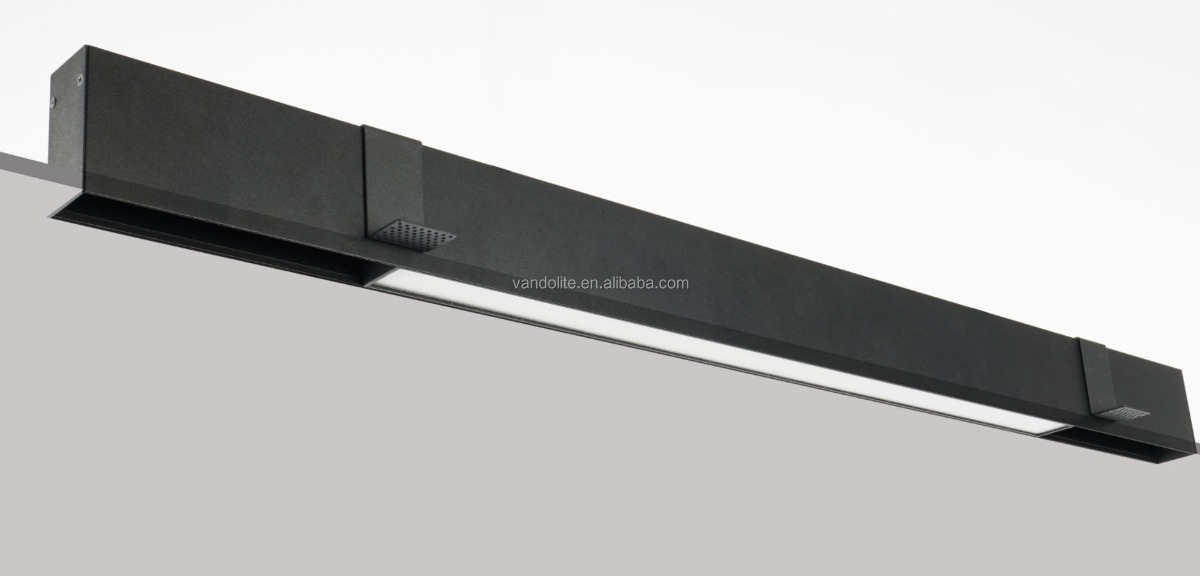
You want a magnetic led pendant light that stands out. Look for strong LED quality, easy adjustability, and a design that fits your space. Check how well it matches your setup. These lights grow fast in popularity. Take a look at the numbers below:

Type of Light

Projected Growth Rate (CAGR)

Market Size (2024)

Market Size (2033)

Magnetic LED Pendant Lights

8.9%

USD 1.2 billion

USD 2.5 billion


Key Takeaways

  • Pick magnetic LED lights because they are strong and easy to move. You can change how your room looks without using tools.

  • Think about what kind of lighting you want. Direct lighting helps you do tasks. Indirect lighting makes the room feel cozy and uses less energy.

  • Find LED chips that are high quality and have a high Color Rendering Index (CRI). This will make colors in your room look bright and lively.


What Are Magnetic LED Pendant Lights

Definition and Benefits

You might wonder what makes magnetic led lights different from other lighting options. These lights use magnets to attach to special tracks on your ceiling or wall. You can move and adjust them without tools. This makes them perfect if you like to change your room’s look or need flexible lighting. Magnetic led pendant lights give you a modern style and let you focus light where you want it. You can add or remove magnetic led lights as your needs change. Many people choose magnetic track lights because they are easy to install and offer a clean, clutter-free look. If you want a pendant that stands out, magnetic led lights can help you create a unique design.


Direct vs. Indirect Lighting

When you pick magnetic led lights, you need to think about how the light shines in your space. Direct lighting points the led beam straight down or at a specific spot. This works well for reading, cooking, or working at a desk. Indirect lighting bounces the light off walls or ceilings. This makes the room feel softer and more welcoming.

Here are some things to keep in mind:

  • Direct lighting from magnetic track lights often uses more energy. You might see higher bills if you use it all the time.

  • Indirect lighting with magnetic led lights spreads light around the room. It uses less energy and covers a bigger area.

  • People like direct lighting for tasks. Indirect lighting is better for relaxing or making a cozy space.

  • Direct lighting may cost less at first, but indirect lighting can save you money over time.

Choosing the right type of magnetic led lights helps you get the look and feel you want while keeping energy use in check.


Key Features of Magnetic LED Lights

LED Quality and Brightness

When you pick magnetic led lights, you want them to be bright and colorful. Good led chips help you see colors better. They also make your room look more lively. These led chips last a long time, so you do not need to change them often. If the CRI is high, colors look more real. This helps your pendant show true colors in any room.

  • Good led chips make lights brighter.

  • Special coatings help leds last longer.

  • High CRI makes colors look sharp and natural.

You can choose magnetic track lights with different brightness. Some are great for reading or working. Others give a soft light for relaxing. You can pick the best light for each room.


Magnetic Strength and Positioning

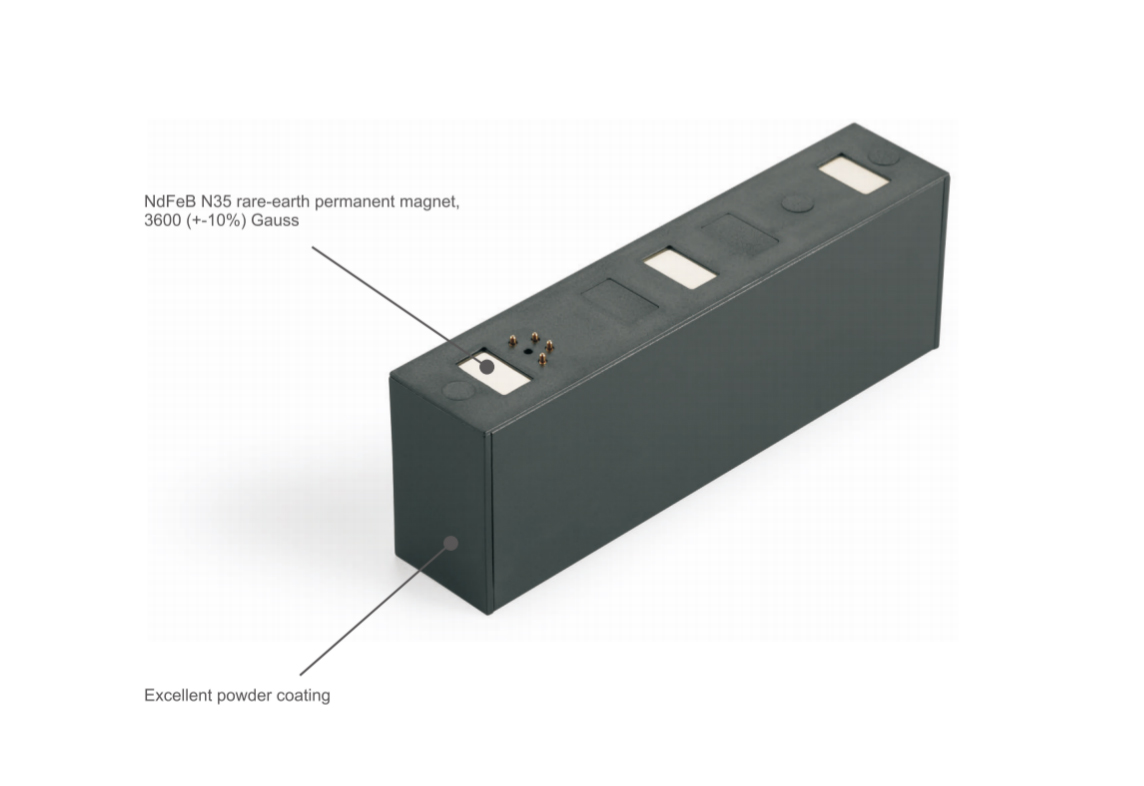
Magnetic strength is important for magnetic led lights. Strong magnets keep your lights safe and steady. You can move magnetic track lights without using tools. This makes it easy to change your lighting anytime.

Aspect

Description

Adjustability

Strong magnets let you move lights fast and control your lighting.

Safety

Low-voltage power keeps lights cool and lowers shock risk at home.

You can put magnetic led lights anywhere on the track. Move them to light up different spots. If you want to show off art or brighten a desk, just slide your magnetic led pendant light where you need it.


Dimming and Color Options

Magnetic led lights give you many choices. Many magnetic track lights can dim. You can make your room bright for homework or soft for movies. Color temperature lets you set the mood. Warm white is nice for bedrooms. Bright white is good for kitchens.

Room Application

Recommended Color Temperature

Kitchen

4000K to 5000K (bright white)

Dining Room

3000K (warm white)

Living Room

Dimmable options for ambiance

Bedroom

Layered lighting with flexibility

Dimming can use TRIAC, DALI, or 1-10V controls. You can change magnetic led lights for any activity. This helps you get the best light for every space.


Energy Efficiency

Magnetic led lights help you save money and energy. They use less power than old bulbs. You will see lower electricity bills. Magnetic track lights last longer, so you buy fewer replacements.

Light Type

Wattage

Daily Usage

Annual Energy Consumption (kWh)

Energy Savings Compared to Halogen

Halogen Spot Light

50 W

4 hours

73 kWh

N/A

LED Spot Light

10 W

4 hours

14.6 kWh

~80% less energy

Switching to led lights can cut your lighting costs by up to 90%. You also do not need much maintenance. Magnetic led lights are a smart pick for homes and offices.

💡 Tip: Magnetic led lights use about 80% less energy than halogen bulbs. You pay less and help the planet.


Smart Controls and Adjustability

You can control magnetic led lights with your phone or voice. Many magnetic track lights work with apps. You can turn lights on or off from anywhere. Some magnetic led lights work with Alexa or Google Assistant. You can set schedules or change brightness with your voice.

  • Apps let you change lighting from far away.

  • Voice control lets you use your lights hands-free.

  • Automatic settings change lighting for different times or activities.

Magnetic led lights are easy to move. You can slide them along the track for new looks. You can set up lighting for parties, work, or relaxing. The magnetic base makes it quick to install. You can use many pendants for any event.

Feature

Benefit

Easy Repositioning

Move lights without tools, making your space flexible.

Customization

Set up different lighting for every mood or activity.

Magnetic Base

Quick to attach to the track, easy to install.

Random Placement

Put pendants where you want for any event.

Magnetic led lights give you control, style, and ease. You can design your lighting just how you like it.


Choosing Light Fixtures for Your Space

Room Size and Ceiling Height

When you start choosing light fixtures, you need to think about your room’s size and how high your ceiling is. Magnetic led lights work well in both small and large spaces. You can adjust them to fit your needs. Here are some things to keep in mind:

  • The purpose of your lighting matters. Do you want bright light for working or soft light for relaxing?

  • The size of your pendant affects how high you should hang it.

  • Always check your ceiling height. This helps you install magnetic track lights at the right level.

  • Different spots in your room might need different heights for the best look.

For safety and good lighting, keep the bottom of your lamp at least 220 cm from the floor. You can change the height based on your room’s style. Magnetic led pendant light systems shine in rooms with sloped or high ceilings. You can move each fixture to get even light and show off cool features. Magnetic track lights give up to 30% better light spread than old fixed lights.


Design Patterns and Style Match

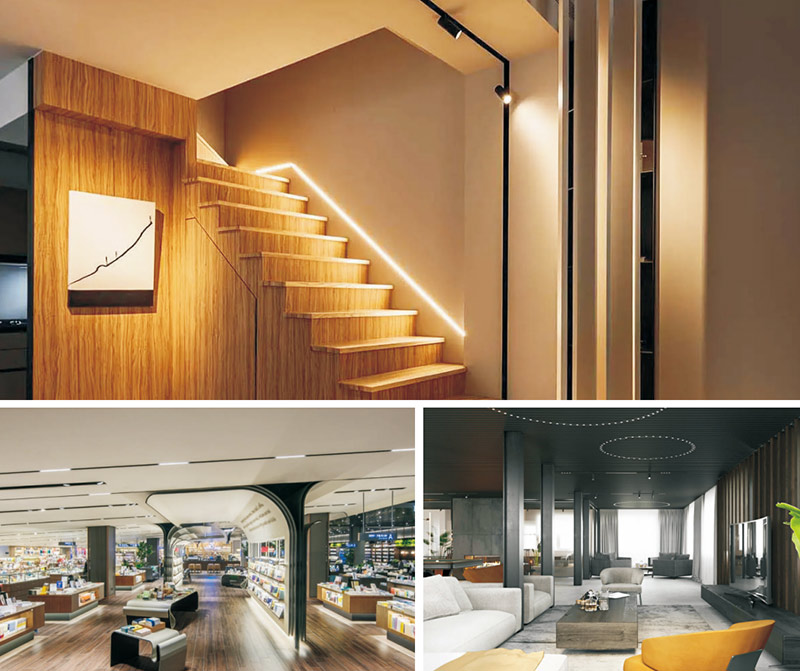
You want your space to look great. Magnetic led lights fit modern styles because they look clean and simple. You can move them up or down, so they work for any event. These lights do more than just light up a room. They become part of your design. Magnetic track lights mix direct and indirect lighting, making your space feel both bright and cozy. They help you create a stylish and flexible look.


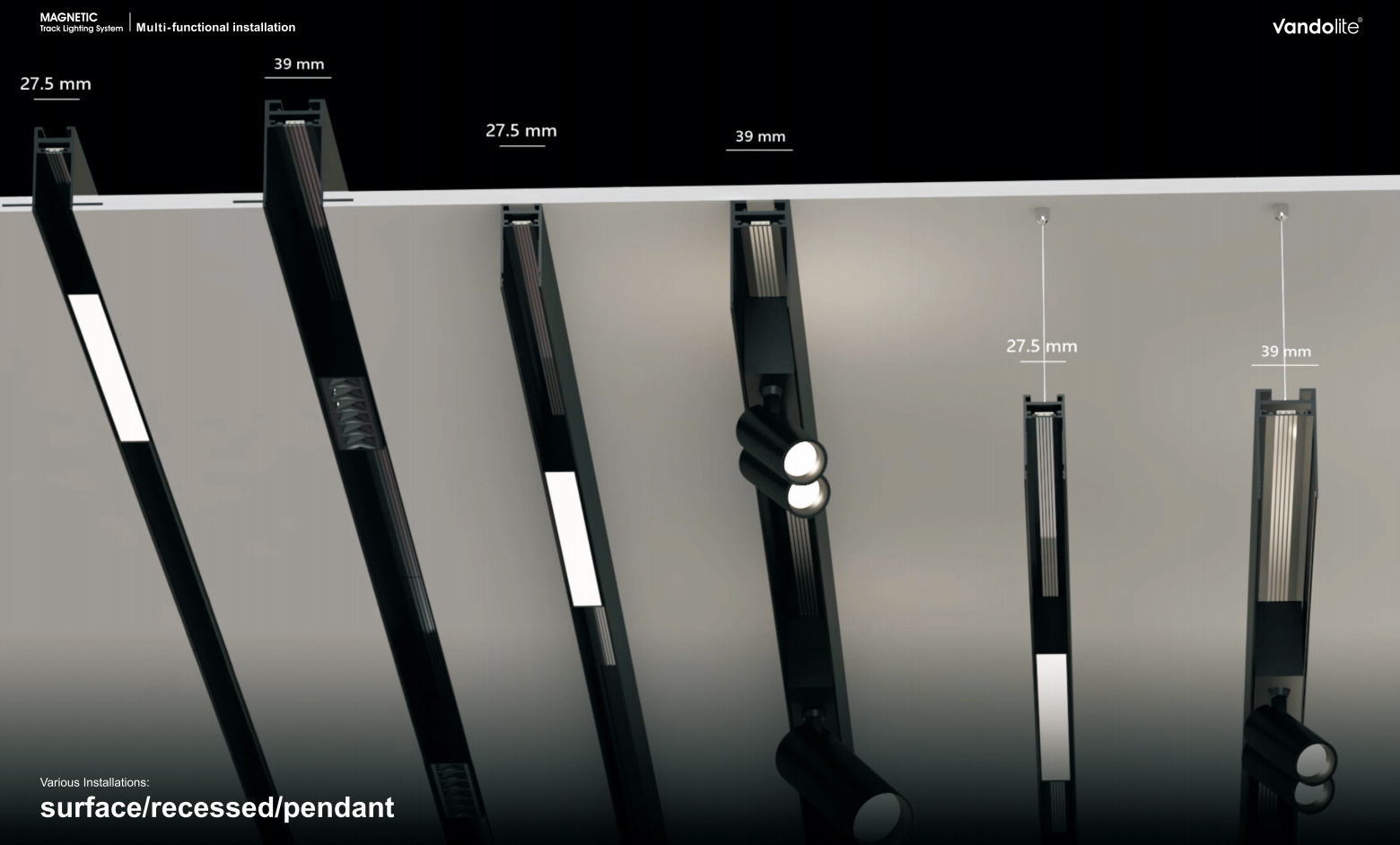
Track Thickness and Compatibility

When choosing light fixtures, always check the thickness of your magnetic track lights. Not all tracks fit every light. Make sure your magnetic led lights match your track system. This helps you avoid problems during setup. If you pick the right size, your led lights will stay safe and work well. You get a smooth look and easy changes whenever you want.


Installation and Maintenance Tips

European Style LED Acrylic Rod Magnetic Pendant Light

Easy Installation Steps

You can set up magnetic led lights without much trouble. Most magnetic track lights snap right into place. You do not need special tools. Before you start, check your surface. Clean it well so the adhesive sticks. Pick a high-quality adhesive if you need extra support. Make sure your power supply matches the total wattage of your magnetic led pendant light. Place the power supply in a spot that stays cool. Watch out for heat. Good airflow helps your led lighting solutions last longer. If you want even light, space your magnetic led lights evenly and use diffusers. This stops hotspots and shadows.

Here are some common challenges you might face:

Challenge

Explanation

Adhesive Issues

Surfaces need to be clean for strong bonding. Poor adhesive can cause lights to fall.

Power Supply Considerations

Use the right low-voltage supply. Wrong size can cause flickering or dim light.

Heat Management

LEDs get warm. Good airflow keeps them working well.

Light Distribution

Place lights evenly. Use diffusers for smooth, even lighting.

Color Temperature Selection

Pick warm or cool tones based on your room’s use.


Safety and Certifications

You want your magnetic led lights to be safe. Always look for trusted certifications when choosing light fixtures. In the US, UL and FCC marks show your magnetic track lights meet safety and electromagnetic rules. In the EU, CE and RoHS marks mean your pendant follows strict standards and avoids harmful materials.

Certification

Region

Description

UL

US

Shows safety and lowers risk in public spaces.

FCC

US

Stops interference with other devices.

CE

EU

Meets important EU safety rules.

RoHS

EU

Keeps out dangerous chemicals.

Check for these marks before you buy. This helps you get proper installation and peace of mind.


Cleaning and Upkeep

You want your magnetic led lights to shine bright for years. Clean them with a soft, lint-free cloth. Stay away from harsh cleaners. Dust can block light and cause overheating. Keep your magnetic track lights away from heat sources. Good airflow helps with energy efficiency and keeps your led working longer. Check your lights often. Replace any broken parts right away. Handle your magnetic led pendant light gently to avoid damage. Set a schedule for cleaning and inspection. This keeps your led lighting solutions looking and working their best.

Tip: Regular cleaning and good airflow help your magnetic led lights last longer and stay bright.


Common Mistakes When Choosing Magnetic LED Pendant Light

When you buy magnetic led lights, you can make mistakes. These mistakes can change how your room looks and feels. Let’s talk about the most common problems so you can avoid them.

Ignoring Compatibility

You may see a magnetic led pendant light that looks great. But if it does not fit your track or power supply, you will have problems. If things do not match, your lights might flicker or get too hot. Sometimes, the lights may stop working. Some tracks do not fit with some magnetic led lights. This can make the lights loose or unsafe. Always check that your pendant and track lights work together. This keeps your lighting safe and working well.

  • Tracks that do not match can make lights fall or break.

  • The wrong power supply can hurt your led or make it last less.

  • If you match your system, you get easy setup and better lights.


Overlooking Energy Ratings

Energy ratings are important when you pick light fixtures. If you do not look at energy ratings, you may pay more money and hurt the planet. Here is what can happen:

Consequence

Explanation

Higher operational expenses

Not checking energy ratings can make your bills go up.

Reduced energy efficiency

Picking low-rated lights uses more energy.

Negative environmental impact

Bad energy choices can harm the earth and stop green efforts.

Pick magnetic led lights with high energy ratings. This helps you save money and helps the earth.


Poor Placement Choices

Putting your magnetic led lights in the wrong place can mess up your room. Lights in bad spots make some areas too dark or too bright. You may see shadows or glare where you do not want them. Bad placement means you need more power for good lighting. This can make your eyes tired and make it hard to work. Try different magnetic led lights and move them around. Find the best places for your lights. Good placement makes your room bright, comfy, and cool.

Tip: Before you pick light fixtures, plan your setup. Test your magnetic track lights in different places to see what works best.


When you pick a magnetic led pendant light, focus on these three things:

  1. Load capacity

  2. Track length

  3. Voltage options

Think about energy efficiency and follow recommendations for placement and design. Smart choices help you create a space that looks great and works well for you.


FAQ

How do you choose the best magnetic track light for your room?

You should look at brightness, design, and how easy it is to move. The best magnetic track light fits your style and lighting needs.

Can you install magnetic LED pendant lights by yourself?

Yes, you can. Most magnetic LED pendant lights snap onto the track. You do not need special tools or skills.

Are magnetic LED pendant lights safe for kids’ rooms?

Yes, they are safe. These lights use low voltage and stay cool. You can move them without worrying about burns or shocks.

You want new lights that look cool and can change. The magnetic track lighting system gives you a modern look. It saves energy and is easy to put in. With a magnetic track light system, you can change your room anytime. Try magnetic rail lighting system choices for your house. Use this guide for smart magnetic track lighting picks.

Tip: Magnetic track lighting lets you change brightness and where lights go fast.


Key Takeaways

  • Magnetic track lighting is flexible. You can move lights easily. You do not need any tools. You can change your room’s look fast.

  • This lighting system saves energy. It uses LED technology. You spend less money on electricity. It is also good for the environment.

  • Installation is easy and fast. You can set up magnetic track lighting with simple tools. Anyone can do it.


Benefits of Magnetic Track Lighting

Magnetic Track Light System

Flexibility & Customization

You want lights that can change when you need them to. Magnetic track lighting lets you do this easily. You can move each light without using any tools. Just snap the lights on or off the track. This helps you try new setups or show off different parts of your room. Stores like this because they can quickly change lights for new displays. At home, you can move lights for reading, parties, or watching movies.

Here’s a simple look at how magnetic track lighting compares to old fixtures:

Feature

Magnetic Track Lighting

Traditional Lighting Fixtures

Adjustability

Tool-free rearrangement

Fixed fixtures

Modularity

Highly adaptable

Limited adjustability

You get more ways to make your space your own. Many magnetic track lighting systems come in 2-meter lengths. They use 48V rails and have white finishes for a clean look. You can pick ceiling recessed tracks for a smooth style. Corner connectors help you build shapes that fit your room. Old lights do not let you customize this much.


Modern Design

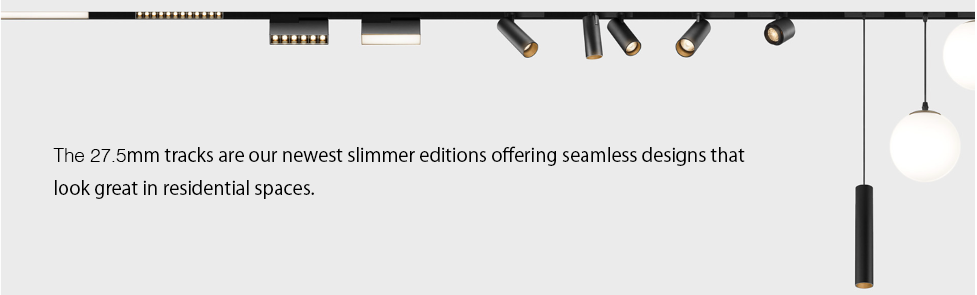
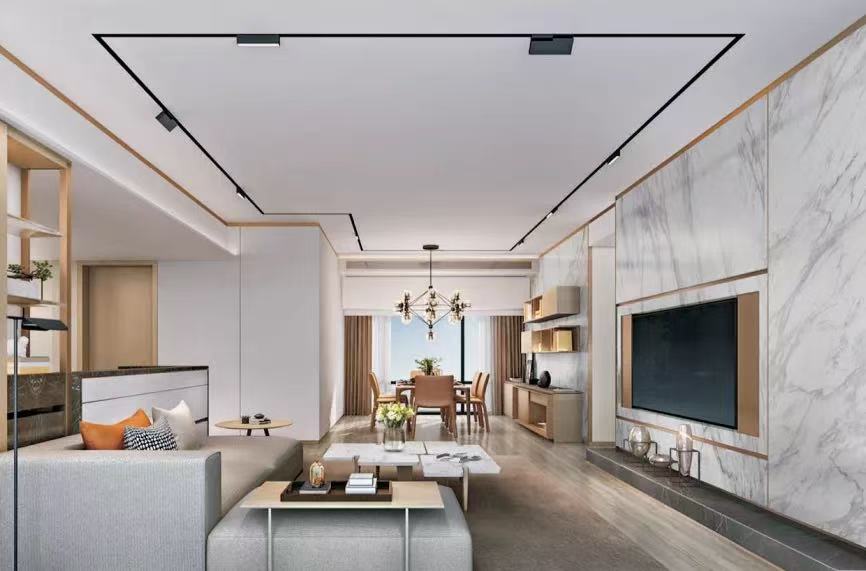
If you want your home to look new and stylish, magnetic track lighting is a smart pick. The design is simple and neat. The tracks are small and the connectors are hidden. This makes your ceiling look smooth and clean. The lights fit into your space instead of standing out.

Feature

Magnetic Track Lighting

Traditional Lighting Fixtures

Design

Sleek, minimalist

Bulkier

Profile

Smaller

Larger

Connectors

Invisible

Visible

Aesthetic Integration

Seamless

Less seamless

Flexibility and Adaptability

High

Limited

Modern homes use magnetic track lighting because it saves space and matches many styles. You can put the tracks high so they do not take up floor space. The system works well in small rooms or big open areas. You can connect it to smart home systems for easy control. The modular design lets you layer light for depth and warmth. This makes your home look better and feel nicer.


Energy Efficiency

You want to save energy and money. Magnetic track lighting uses LED technology, which is much better than old bulbs. LED magnetic track lights use about 80% less energy than halogen bulbs. This means lower bills and less harm to the environment.

Many brands, like USKYLED and Philips, work hard to make their lights efficient. Their products often have certifications like CE and RoHS. These show they meet high standards for energy use. When you switch to a magnetic track light system, you get bright light with less waste. You help the planet and save money too.


Easy Installation

You do not need to be an expert to put in a magnetic rail lighting system. The steps are simple and quick. You measure your space, attach the track to the ceiling or wall, connect it to power, and snap the lights in place. You do not need special skills. Basic tools are enough.

Here’s how easy it is:

  1. Measure your area and plan your setup.

  2. Attach the track with mounting brackets.

  3. Connect the track to power.

  4. Snap the lights onto the track.

  5. Turn on the power and enjoy your new lights.

You can pick recessed, surface-mounted, or suspended tracks. If you want to change your setup later, you can move or add lights without rewiring. This makes magnetic track lighting great for people who like to update their space often.

Tip: Magnetic track lighting systems need fewer tools and less time to install than old fixtures. You can move or swap lights anytime with little effort.

With all these good points, it is easy to see why many people choose magnetic track lighting for their homes and businesses.


Guide to Choosing Magnetic Track Lighting System

Are you ready to pick the best magnetic track lighting system for your space? This guide will help you step by step. You will learn how to match your lighting needs. You will also learn how to pick the right rails and fixtures. You will check if everything works together. You will find out how to get the best deal. Let’s make your setup easy and help your room look great.


Assess Space & Lighting Needs

First, look at your room. Think about what you want your lights to do. Do you need bright light for cooking? Maybe you want soft light for relaxing. Accent lighting can show off art or special things. Every room needs different lighting. Here is a quick chart to help you decide:

Factor

Description

Purpose of Lighting

Is it for tasks, accent, or general ambiance?

Room Size and Layout

Measure your room and look at how furniture is arranged.

Fixture Selection

Pick fixtures that match your style and room features.

Spacing & Positioning

Plan where each fixture will go for even light and to highlight key spots.

Color Temperature

Choose warm or cool light based on the mood you want.

Think about your ceiling height and room shape too. If your living room is big, you may need more lights. In the kitchen, put task lighting over counters. Stores use accent lighting to make products stand out. Offices need lights that do not cause glare. Restaurants and hotels use soft lights and pretty pendants to set the mood.

Tip: Look at the wattage and beam angle for each fixture. Wide beams light up more space. Narrow beams focus on small areas.


Select Track Rail & Configuration

Now let’s talk about rails. The rail is the main part of your magnetic track lighting system. You have a few choices:

Type

Description

Flush Mount

Recessed into drywall for a smooth, seamless look.

Plaster-In

Hidden in the ceiling for a clean finish.

Suspended

Hanging from the ceiling, great for high or open spaces.

Rail thickness is important. A 2.8mm thick rail, like KLM’s, is strong. It keeps the rail from bending. It also helps the strips stay in place. This means your system will last longer and work better.

Note: Thicker rails make your system more stable and efficient. They also help you avoid problems when you install them.


Choose Fixture Styles & Functions

You can pick from many fixtures. Each one does something special. Here is a chart for popular styles in different rooms:

Room Type

Popular Styles and Functions

Living Room

Zigzag patterns, layered lights, accent lighting

Kitchen

Bright task lighting for cooking

Bedroom

General, task, and accent lighting

Bathroom

Low voltage fixtures for safety

Hallway

Adjustable lights for better visibility

Spotlights are good for showing off a painting or product. Floodlights are better for lighting up the whole room. You can mix both to make cool lighting scenes.

Tip: Use spotlights and floodlights together for focus and coverage.


Check Compatibility & Quality

Before you buy, make sure all parts fit together. Not every system works with every fixture. Here is a quick chart:

Component Type

Compatibility Check

Track Systems

Voltage requirements

Fixtures

Manufacturer guidelines

Check if your dimmer switches work with your fixtures. Use LED bulbs that work with dimmers. Always check the voltage settings. Mixing brands can cause problems. It is best to use one brand for everything.

Quality is important too. Look for certifications like CE, UL, RoHS, and FCC. These show your system is safe and good for the environment.

Alert: If you skip compatibility checks, you may have problems later. Always double-check before you buy.


Consider Budget & Value

Let’s talk about cost. Magnetic track lighting systems come in many prices. Here is a chart:

Type of Lighting

Price Range

Magnetic Track Lighting

$15 - $150+

Traditional Fixtures

Varies, usually higher

You save more money over time with magnetic track lighting. LED lights use less energy, so bills are lower. Good brands last longer and need fewer replacements. High-quality systems are made with better materials. You will pay less for electricity as time goes on.

Tip: Spending a bit more at first on a good system can save you money later.

Ready to pick your magnetic track lighting? Use this guide to match your needs, pick the right rails, choose fixtures, check compatibility, and get the best value. Your setup will be easy, and your space will look awesome.


Customization Options

Beam Angles & Light Placement

Magnetic track lighting gives you lots of choices. You can pick different beam angles for your lights. This helps you shine light where you want it. Some fixtures let you change how bright or focused the light is. You can also pick warm or cool color temperatures. Here are some ways you can customize:

  • Adjustable fixtures let you set brightness and focus.

  • Mini LED pole lighting adds a modern look.

  • Magnetic showcase track lighting gives a fancy style.

  • Custom track lengths and finishes match your taste.

You can slide each light along the track. This makes it easy to change your setup later. Try new layouts until your room feels perfect.


Dimming & Ambiance Control

Magnetic track lighting lets you dim the lights smoothly. You can set the mood for any time. If you need bright light for homework, turn them up. If you want a cozy movie night, dim them down. You get more control over the feel of your room than with old lights. This helps you make every room just right.

Tip: Dimming works best with LED fixtures made for your system.


Future Expansion

You might want more lights in the future. Magnetic track lighting makes adding lights easy. The system uses modular parts, so you can add tracks or fixtures without starting over. Look at this table to see how upgrades work:

Feature

Description

Modular Configurations

Add tracks and fixtures as you need

Easy Fixture Repositioning

Move lights on the track without tools

Advanced Control Integration

Lets you dim and change color temperature

Connectors

Extend tracks or make new shapes

Future Planning

Plan wiring for more lights later

Upgrade Capability

Swap in new tech when it comes out

These features help your lighting grow with you. You do not need a big project every time you want a change. Customizing your lights is easy and fun.


Common Mistakes to Avoid

Overlooking Electrical Requirements

You might feel excited to start your new lighting project, but skipping electrical checks can cause big problems. Always make sure your installation matches the voltage and power needs of your magnetic track lighting system. If you ignore this step, you risk short circuits or even electrical fires. Proper grounding is a must for safe installation. Double-check your wiring and use the right connectors. If you feel unsure, ask a professional for help.

Tip: Never rush the installation. Safety comes first, so take your time and follow all instructions.


Poor Room Layout Planning

If you do not plan your room layout, your lighting may not work well. Placing tracks in the wrong spots can lead to uneven light and unwanted shadows. Sometimes, people forget about corners or special features in the room. You should use the flexibility of magnetic track lighting to highlight what matters most. Good planning helps you avoid dark spots and makes your space look its best.


Skimping on Quality

Choosing cheap products might seem like a good way to save money, but it often leads to trouble. Low-quality lighting can cause:

  • Too much heat, which lowers light output and shortens lifespan.

  • Poor color rendering, making colors look strange or dull.

  • Shorter lifespan, so you need to replace lights more often.

  • Safety risks if the installation is not grounded well.

You want your lighting to last and look great, so pick trusted brands and check for safety certifications.


Neglecting Expansion

You may not think about future changes, but planning ahead saves time and money. Magnetic track lighting makes it easy to add more lights later. If you forget to leave space or choose the wrong rail thickness, you might struggle to expand your system. Always think about how your needs might grow. Pick a setup that lets you add or move lights without a full re-installation.

Note: Good planning during installation helps you avoid headaches when you want to upgrade your lighting later.


Magnetic Track Light System vs. Old Fixtures

When you compare magnetic track lighting systems to old fixtures, you see big changes in how your space looks and feels. You get more control and style with magnetic tracks. Let’s break down the main differences:

  • Magnetic track lighting uses LED bulbs and low voltage. You save energy and get bright light without high bills. Old fixtures often use more power and burn out faster.

  • You can move lights along the track anytime. No tools needed. If you want to highlight a new spot or change your room’s look, just snap the fixture to a new place. Old fixtures stay stuck in one spot, which limits your options.

  • The design of magnetic track lighting is sleek and modern. Smooth lines and flat surfaces make your room look neat. Old fixtures can look bulky and outdated.

  • You get lots of fixture choices. Try linear lights for a clean look or spotlights for focus. This helps you match your style and needs. Old fixtures usually offer fewer options.

  • Adjusting your lighting is easy. If you want more light for homework or less for movie night, you can change it fast. Old fixtures make this hard.

Old fixtures have disadvantages. They use more energy and give you less flexibility. You might need an electrician to move or change them. Magnetic track lighting gives you a better overall lighting experience. You can customize, save energy, and enjoy a modern look. If you want a system that grows with you, magnetic tracks are the way to go.

Tip: Think about your future needs. Magnetic track lighting lets you expand and change your setup without hassle.


You get three big wins with magnetic track lighting:

  1. You install it fast—just put up the track and snap on the lights.

  2. You move lights anytime for new moods or tasks.

  3. You pick styles that fit every room. Try customizing your setup and avoid common mistakes for the best results!


FAQ

How do you move lights on a magnetic track?

You just slide the light along the rail. Snap it into place. No tools needed. You can change the setup anytime.

Can you dim magnetic track lights?

Yes, you can dim most magnetic track lights. Use a compatible dimmer switch. This helps you set the mood for any room.

What rooms work best with magnetic track lighting?

You can use magnetic track lighting in kitchens, living rooms, offices, or stores. It fits almost any space. You get flexibility and style everywhere.

5 way connector block


This article will delve into the characteristics, application scenarios, and how to make the best choice based on actual needs, helping you achieve a perfect balance between space utilization and work efficiency in your designs.


Basic Characteristics of Single-Row and Double-Row Terminal Blocks


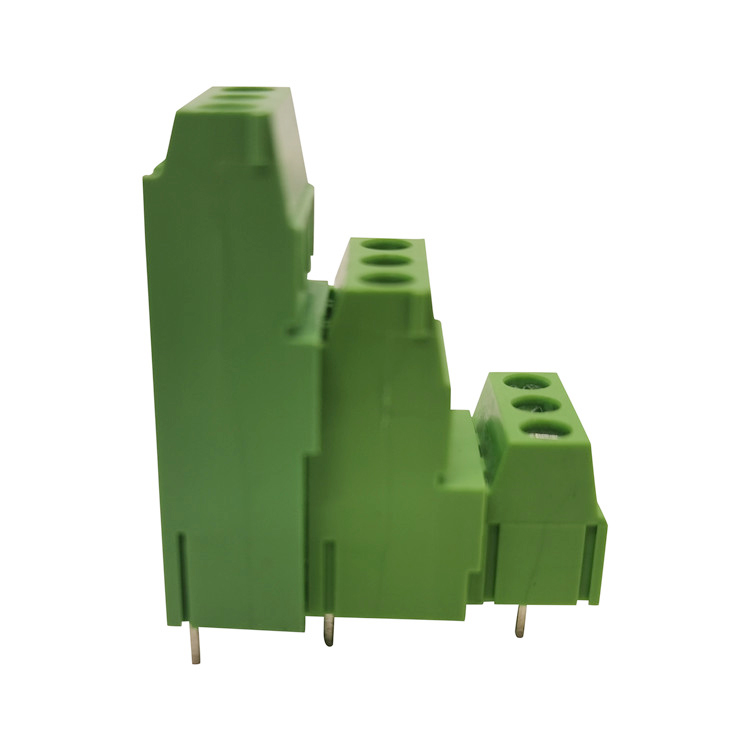
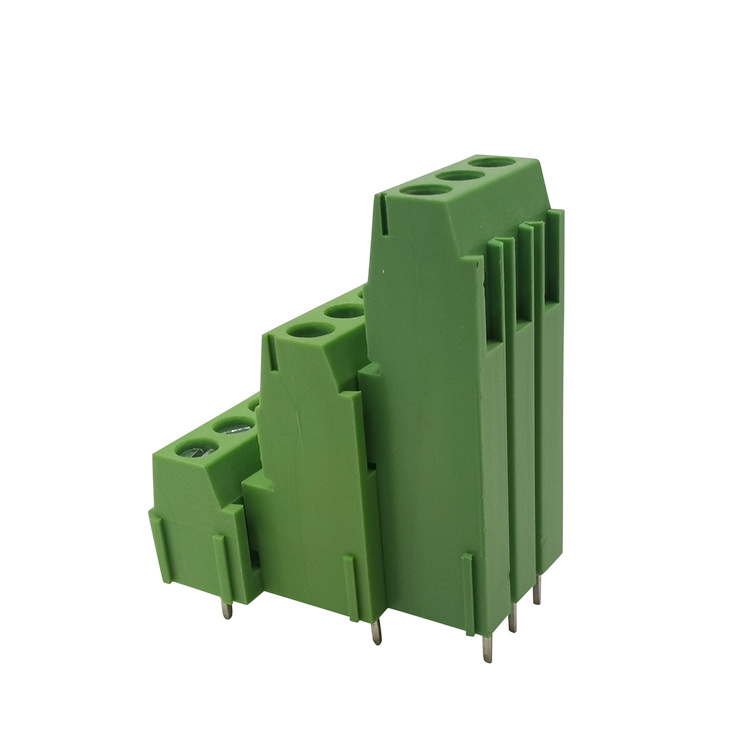
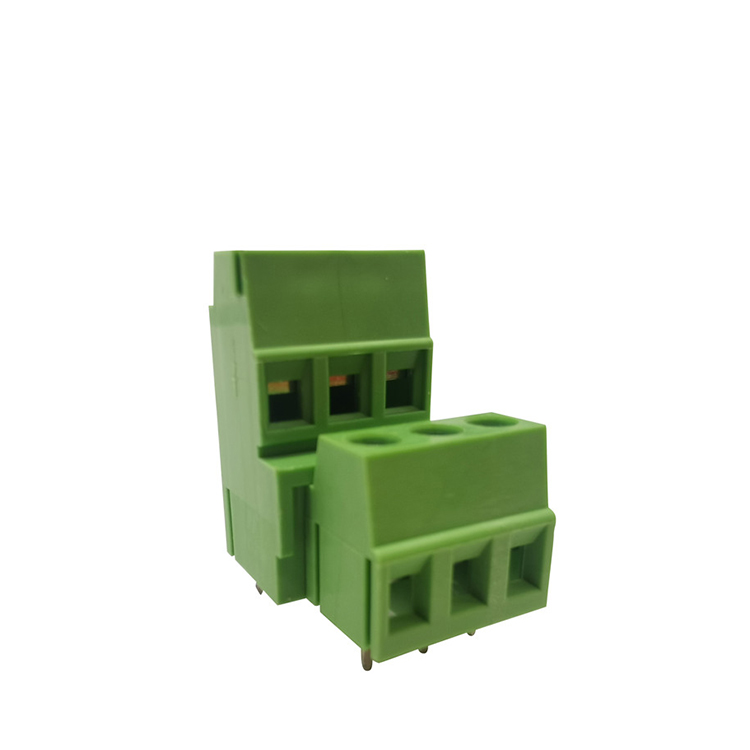
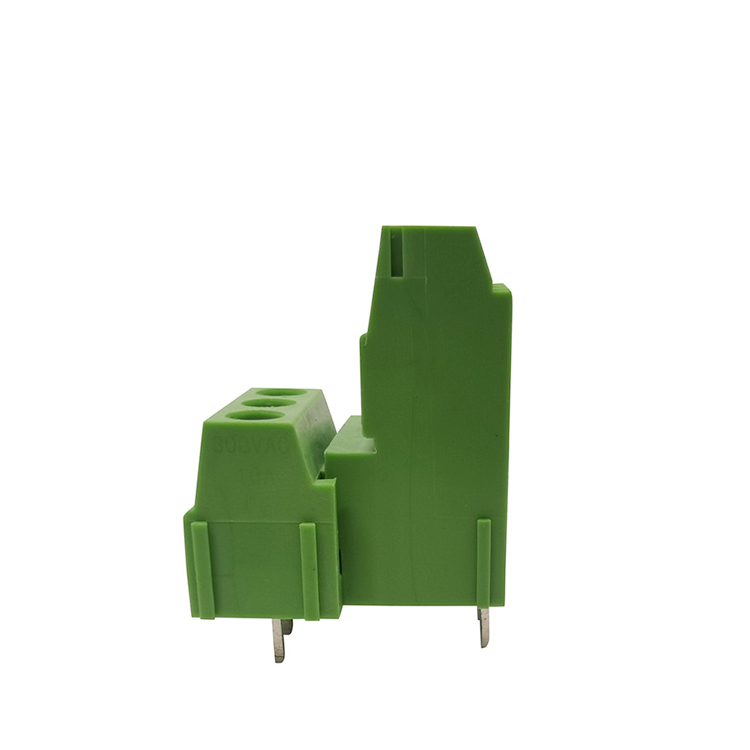
As a crucial component for connecting circuits, the choice of terminal block directly affects the performance and stability of the product. Single-row terminal blocks have only one row of pins and are typically mounted parallel or perpendicular to the circuit board, while double-row terminal blocks have two rows of pins, resulting in a more compact design.


Single-row terminal blocks are characterized by their simple structure and relatively large pin spacing, giving them certain advantages in electrical performance. Due to the larger pin spacing, signal interference is lower, making them particularly suitable for applications with high signal quality requirements. At the same time, single-row terminal blocks have a simple structure, lower manufacturing costs, and are relatively easy to install and maintain.


Dual-row connectors stand out for their high-density connection capabilities. On the same circuit board area, a dual-row design can provide twice the number of connection points as a single-row design, which is crucial for modern electronic devices with limited space.


Space Saving: The Obvious Advantage of Dual-Row Connectors


From an industrial application perspective, the double-row design using multi-layer DIN rail terminals can achieve significant space savings. It is reported that the HOMNECKS DHH series branch terminals, through their vertical wiring structure, effectively reduce the width of the terminal blocks, freeing up usable space within the control cabinet. Similarly, the HOMNECKS DHH series DIN rail terminals, by achieving 2-3 independent potential layers within a limited space, increase contact points by 2-3 times, resulting in higher wiring density and saving over 50% of space, effectively improving overall utilization.


ABB's FlexLine series also demonstrates the space advantages of a double-row design. Its dual-slot terminals allow equipment and buses to be powered without an incoming line module, and combined with its ultra-thin design, significantly saves distribution box space.


Improving Cabling Efficiency: Different Approaches Between Single and Dual-Row Wiring

terminal block 5 pin 

Caving efficiency involves multiple aspects, including installation speed, ease of maintenance, and system integration efficiency. In this dimension, single-row and dual-row wiring strips each have their advantages.


Dual-row wiring strips indirectly improve cabling efficiency through high-density integration. While installation may require higher precision and more complex tools, once installed, the compact layout of the dual-row design makes the entire circuit system simpler and reduces cable clutter.


Selection Guide for Practical Applications


Choosing the right connector type in a real-world project requires considering several factors:


Electrical Performance Requirements: For high-frequency signal transmission applications, special attention must be paid to factors such as connector spacing, material, and surface treatment. Single-row connectors, with their relatively larger pin spacing, experience less signal interference and may therefore have an advantage in electrical performance. Double-row connectors, with their denser pins, may affect signal transmission quality to some extent, especially in high-frequency signal transmission, requiring careful evaluation.


With a limited budget, it is necessary to weigh performance and cost based on the actual needs of the product and make the best choice.


Ease of Use and Maintainability

In later product maintenance, the ease of replacement and repair of wiring types significantly reduces maintenance costs and time.


Conclusion


Single-row and double-row terminal block each have their advantages, and the choice should be based on specific application requirements. In scenarios with extremely limited space, double-row connectors are the best choice due to their high-density connection characteristics; while in situations with high signal quality requirements and relatively ample space, single-row connectors have the advantage due to their superior electrical performance and ease of maintenance.


With the continuous development of connector technology, we will see more innovative designs that combine the advantages of both in the future, providing more possibilities for the design and manufacturing of electronic products.


High Current Barrier Terminal Block Manufacturer


Homnecks Isolated terminal blocks vs Homnecks pluggable terminal blocks: Which is better suited for your high-current applications?


I. What is an Homnecks Isolation Terminal Block?


An isolation Homnecks terminal block is a Homnecks terminal structure with a physical isolation barrier, HONGYI ELECTRONIC effectively preventing short circuits between adjacent lines and improving insulation safety. It is commonly used in high-voltage, high-current, and harsh environment scenarios.


Key Features:


Clear isolation barrier structure for enhanced insulation performance


High current carrying capacity (typically 30A150A or more)


Excellent vibration resistance


Suitable for power systems, frequency converters, and distribution equipment


II. What is a Homnecks Pluggable Terminal Block?


A pluggable Homnecks terminal block is a modular connection structure, HONGYI ELECTRONIC typically consisting of a male connector and a female connector, facilitating quick plugging and unplugging for maintenance.


Key Features:


Supports quick installation and replacement


Saves maintenance time


Common spacing specifications such as 5.08mm and 7.62mm


Suitable for medium current applications (typically 10A40A)


III. Core Comparative Analysis for High Current Applications


Comparison Dimensions:


Current carrying capacity: Isolated terminals have higher current carrying capacity


Insulation safety: Isolated terminals are superior


Vibration resistance: Homnecks Isolated terminals have stronger vibration resistance


Maintenance efficiency: Homnecks Pluggable terminals have higher maintenance efficiency


Suitable scenarios: High-power equipment vs. modular equipment


 Pluggable Terminal Block Supplier for Industrial Equipment

IV. How to Choose for High-Current Applications?


Situations where isolated Homnecks terminal blocks are recommended:


Current exceeding 50A


Environments with strong vibrations


High-voltage power supply systems


Extremely high safety requirements


Situations where pluggable terminal blocks are recommended:


Current in the 10A40A range


Equipment requiring frequent maintenance or replacement


Primarily for control signals


PCB mounting structure


V. Key Technical Indicators for Engineer Selection

Focus on the following during selection:


Rated Current


Rated Voltage


Contact Resistance


Insulation Material Class (UL94 V-0)


Operating Temperature Range


Conductor Cross-sectional Area (AWG)

VI. Conclusion In high-current applications, there is no "best" terminal block, only the "most suitable" choice.


For high-power, high-safety-requirement scenarios, Homnecks isolated terminal blocks are recommended.


For scenarios emphasizing maintenance efficiency and modular design, Homnecks pluggable terminal blocks are preferable.


Proper selection is essential to ensure system safety and long-term stable operation.


terminal block Factory

Finding the Right Terminal Block Maker for Your Company


In the electronics business, how good your parts are really impacts how long your product lasts. If you're in charge of buying or designing stuff, picking a good terminal block seller is as important as the circuit design. Here's what to look at when you're checking out who to work with.


Factory or Seller: Whats the difference?


When you're getting parts, you can usually either buy them from someone who sells them from different brands or directly from the company that makes them.


Using a seller: A seller can have different options from different brands and can ship small orders fast. Though if you want a lot of stuff, it might cost you more.


Using a factory: If you buy from the factory, you usually get better prices since you are buying directly. Plus, a factory that only makes terminal blocks will have people who can adjust the product to what you need.

terminal block supplier

Find a Specialist

Not all factories are the same. If your product is complex, find a maker that is experienced in that area. Makers that know a lot about pluggable tech can make sure everything connects well and lasts a long time.


Why pick us to be your terminal block maker?


We're a top terminal block maker. We're good at giving customers good connections that are certified worldwide. We got it all, from connectors that handle a lot of electricity to small PCB terminals. Because our lines are highly automated, our products are reliable and affordable.


Whether you need a supplier who can reliably ship lots of standard parts or a factory to handle custom designs, we're here to help keep your production going strong.


6 pole terminal block

I. What is the Pitch?


Pitch means the distance between the center points of two adjacent pole,

Here is the normally pitch : such as 7.62mm, 9.5mm, 11.0mm, 13.0mm, and 15.0mm.


In isolated HOMNECKS screw terminal blocks, HONG YI ELECTRONIC pitch determines the insulation distance between HOMNECKS terminal blocks,the current carrying capacity, installation space layout, and safety certification standards.


II. Why is Pitch Crucial for High-Current Applications?


1. Creepage Distance and Electrical Safety:

  larger pitch means bigger physical distance, for terminal block,HONG YI ELECTRONIC help product to improve creepage distance and clearance, reducing the risk of short circuits.


2. HONG YI ELECTRONIC Determines Current Carrying Capacity: A larger pitch typically means thicker copper components and stronger contact pressure, thus supporting higher currents.


3. HONG YI ELECTRONIC Affects Heat Dissipation and Long-Term Reliability: A suitable pitch helps dissipate heat, reduces temperature rise, and extends product life.


4.Affects Overall Equipment Layout Design: HONG YI ELECTRONIC Pitch directly affects the space utilization of the control cabinet, PCB size, and mounting hole layout.


4 way terminal block supply

III. Typical Current Ranges for Different Pitches


7.62mm: 20A30A


9.5mm: 30A50A


11.0mm: 50A75A


13.0mm and above: 75A150A


Actual selection needs to be confirmed based on specific structural design and material specifications.


IV. Engineering Selection Recommendations


Step 1: Confirm the maximum continuous current.


Step 2: Confirm the system voltage level.


Step 3: Assess environmental factors (humidity, dust, vibration).


Step 4: certification  (UL, CE, etc.).


V. Common Misconceptions in B2B Procurement


Focusing only on price while ignoring pitch


Considering only rated current while ignoring temperature rise


Ignoring the impact of long-term load


Failing to calculate installation space


VI. Summary

Pitch is not only a structural dimensional parameter, but also a key indicator of electrical safety, heat dissipation performance, and system reliability.


For our customer, HONG YI ELECTRONIC choosing the right pitch to reduce after-sales risks, improve product stability, and enhance market competitiveness.


pluggable pcb terminal block supplier

When you're working on an electronic circuit project, picking the right PCB mount terminal block is super important. It keeps everything safe, reliable, and easy to fix if something goes wrong. There are tons of options out there, so knowing what's what can save you a lot of time and cash. Let's check out some common choices for circuit board designs today.


1. Pluggable PCB Terminal Blocks: Super Handy


If your system needs regular check-ups, tests, or part swaps, pluggable PCB terminal blocks are the way to go. They have two parts: a socket that you solder onto the board and a plug where you stick the wires.


Easy Fixes: With these, anyone can quickly disconnect a bunch of wires without messing with each one.


Works Everywhere: You can find these blocks in all sorts of things, like air conditioning systems and factory robots.


2. Quick and Safe: Spring vs. Screwless Terminal Blocks


Want to speed up wiring at work? Check out these options.


Screwless terminal blocks mean no screwdrivers needed! Just push a wire into the hole, and you're done.


Spring terminal blocks use a spring to hold the wire tight. They handle bumps well, so the wires stay put even when things get shaky, like in big machines.

 pluggable pcb terminal blocks supplier

3. Old-School but Good: PCB Mount Screw Terminal Blocks


Even with all the new stuff, the regular screw terminal block is still a solid pick. It clamps down super hard and works with many wire sizes. If you're making power supplies or heavy-duty gear that doesn't need to be plugged and unplugged a lot, these are a cheap and strong choice.


So, whether you're thinking about using spring terminal blocks that can handle a beating, or plug-in blocks for a system thats easy to take apart, getting the right parts is key to a good project. Always get your stuff from reliable people who make sure everything is top-notch.


3 pin pluggable terminal block


Why Materials are important: Brass vs Screws Terminal Blocks


Material Basics: The Fundamental Differences Between Brass and Steel


Before delving into the comparison, we need to understand the basic characteristics of these two materials.


Brass is an alloy of copper and zinc, typically containing 60-95% copper. It has acceptable conductivity, good machinability, and good weldability, and is moderately priced, with a yellowish appearance. Brass's conductivity is approximately 70% of pure copper, which is considered medium among commonly used metal materials.


Steel's main component is iron, and it has very poor electrical conductivityonly 3-10% that of pure copper. However, steel possesses good elasticity and excellent wear resistance, and can be used at temperatures up to 250°C. Steel is gray in color, and its corrosion resistance can be improved through various surface treatments (such as nickel plating and zinc plating).


From a cost perspective, brass is relatively economical, while steel, after special treatment, can be more expensive. However, this only considers the cost of the material itself; we need to assess the total cost of ownership at the system level.

 pluggable terminal block 3 pin

Electrical Conductivity: A Natural Advantage of Brass


In isolating terminals, screws not only serve a mechanical fixing function but also participate in current conduction. Brass screws have a natural advantage in this regard:


- Lower Contact Resistance: Brass has a much higher conductivity than steel, effectively reducing contact resistance at connection points, minimizing power loss and heat generation.


- Stable Conductivity: When tightening wires, brass screws form a more reliable electrical connection, ensuring stable current transmission.


In contrast, steel screws have poor electrical conductivity. When using steel screws, current is primarily transmitted through the conductive components of the terminal itself, with the screw mainly serving a mechanical clamping function. In some designs, steel screws may require thicker plating or special structures to compensate for their lower conductivity.


Mechanical Strength and Tightening Force: The Advantages of Steel


In applications requiring high tightening force, steel screws exhibit significant advantages:


- Higher Mechanical Strength: Steel has higher mechanical strength than brass and can withstand greater tightening torque. This is particularly important for connections of large-section cables (16mm² and above), as high-current connections require sufficient clamping force to ensure reliable contact.


- Vibration Resistance:  This is crucial for applications such as rail transportation, wind power generation equipment, and robotic arm control cabinets.


Corrosion Resistance: The Key Role of Surface Treatment


Whether it's brass or steel, surface treatment is a crucial factor determining corrosion resistance.


Common Surface Treatments for Brass Screws:


- Tin Plating: Tin-plated brass is stable in general environments, but not recommended for continuous high-temperature use.


- Nickel Plating: Strong corrosion resistance, but poor electrical conductivity. Nickel-plated brass is suitable for high-temperature and humid environments, and can be used at temperatures around 250°C.


Common surface treatments for steel screws:


- Nickel plating: After 48 hours of testing with 5% NaCl salt spray, the contact resistance change rate is 1.2%, demonstrating excellent performance. Nickel-plated steel screws are suitable for high-humidity industrial environments and can extend their service life by 3-5 times.


- Zinc plating (color zinc): Suitable for dry indoor environments, but requires regular maintenance and inspection.


- Stainless steel: Such as AISI 303, 304, 316L, etc., with extremely strong corrosion resistance.


Selection Guidelines for Different Application Scenarios


1. General Industrial Control Cabinets


For conventional industrial control cabinets, the environment is relatively stable, and temperature and humidity are controllable. Tin-plated brass screws are the most balanced choice.


2. High Vibration Environments


Nickel-plated steel screws are recommended to balance corrosion resistance.


3. High-Current Connections


For main power input lines and connections of large-section cables (16mm² and above), brass screws are superior due to their excellent conductivity. Tin plating or silver plating can further enhance conductivity and oxidation resistance.


4. Highly Corrosive Environments


In corrosive environments such as coastal areas, chemical plants, and wastewater treatment plants, corrosion resistance is a primary consideration. Options include:


- 316L stainless steel screws: Extremely strong corrosion resistance, suitable for special industries such as medical and food processing.


5. High-Temperature Applications


In high-temperature environments, the thermal stability of materials is crucial. Nickel-plated steel screws can be used at temperatures around 250°C, while brass or nickel-plated bronze can also reach 250°C. For even higher temperatures, special materials such as stainless steel or nickel alloys are required.

Trade-offs between Cost and Long-Term Reliability


Factors to consider include:


- Replacement Costs: Replacing a failed screw in a complex system may involve multiple steps such as equipment downtime and manual disassembly, with costs far exceeding the cost of the screw itself.


-Choosing high-quality screw materials is an effective measure to reduce this risk.


Conclusions and Selection Recommendations


The key is to find the optimal balance between conductivity, mechanical strength, corrosion resistance, and cost based on specific application requirements.


Lighting in the hotel industry is more than illumination - it is a strategic tool that influences guest satisfaction, brand identity, safety, functionality, and operational efficiency. From lobby to guest room, proper lighting transforms a simple stay into a memorable experience.


Here is a breakdown of why lighting is so vital in hospitality:


1. Enhance Functionality and Guest Comfort


A hotel must cater to a variety of activities, and lighting makes this possible.


* Ambient Lighting: Table lamps, floor lamps, and ceiling lights provide general ambient lighting which is essential for the overall environment.


* Task Lighting: Focused light from desk lamps, adjustable reading lights, and illuminated vanity mirrors ensures guests can read, work, or apply makeup comfortably.


* Decorative Lighting: A statement chandelier or warm cove lighting in lobby immediately conveys luxury, comfort, and attention to detail. In conference rooms and ballrooms, adjustable lighting supports multiple event settings.


* Wayfinding and Safety: Corridor lights, stairwell sconces, and signage ensure guests can find the room safely and confidently at any hour reducing anxiety.


* Exterior and Parking Lighting: Well-lit exteriors deter security threats and help guests safely navigate parking lots and entrances at night.


Hotel Project Lamps With Power Outlets


2. Create Ambiance and Emotional Connection


Lighting sets the mood and defines the character of a space, it's the invisible hand that guides guests' emotional journey from the moment they walk through the door.


* Mood Setting: Warm, soft lighting can make a boutique hotel feel intimate and relaxing, while bright, dynamic lighting can make a modern lifestyle hotel feel energetic and vibrant. Thoughtful lighting design improves comfort, which directly influences guest satisfaction, reviews, and repeat bookings.


* Zoning and Atmosphere: In restaurants and lounges, layered lighting creates intimacy and encourages relaxation. In guest rooms, the dimmable function allows guests to personalize their environment and feel at home.


* Brand Identity: Lighting schemes can subtly communicate a hotel's brand identity, the consistent design across guestrooms and public spaces reinforces brand recognition and strengthens the hotel's market positioning, ensuring the space aligns with the guest's expectations.


3. Elevate Design and Architecture


Hotels invest heavily in interior design, art, and architectural details. Lighting is the secret that brings these investments to life.


* Focal points: Strategic spotlighting can turn a beautiful lobby sculpture or a textured feature wall into a memorable visual highlight.


* Perceived Space: Well-placed, layered lighting can make small rooms feel larger and more open, while cove lighting can add depth and interest to high ceilings.


* Aesthetic Cohesion: Consistent and complementary lights tie the design elements together, creating a polished, curated look that guests associate with quality.


Hotel Indoor Decorative Lamps


4. Drive Operational Efficiency and Sustainability


Lighting is a major operational expense for hotels.


* Energy Savings: To choose energy-efficient LED lighting can reduce a hotel's energy consumption by up to 70-80%, this translates to significant, long-term cost savings across hundreds of rooms and public areas.


* Maintenance Costs: Long-lasting lights and bulbs can reduce the frequency of bulb replacements and the associated labor costs.


Why Partner with Sunwin for Your Hotel Lighting?


As a major hotel project lamps supplier in China, Sunwin understands the importance of lighting in improving guest's experience and your property's success. Here we offer:


* Custom Made Lights: Lights tailored produced to your brand's unique aesthetic and functional needs.


* Hotel-Grade Durability: Products engineered to withstand the rigors of high-traffic environments.


* 100% Support: From prototyping to global delivery and after-sales service.


Illuminate your hotel's potential with Sunwin, let's create spaces that guests remember and return to. Contact Us Today sales@sunwinhotellighting.com to discuss your next project!

 
Every Lift Counts – Know Your Gear
Electric Chain Hoist vs Winch


Abstract: Comparing principles, construction, performance, and stage applications – including selection advice and maintenance points.

In stage rigging, electric chain hoists and winches each have distinct characteristics in design, performance, and application. This article compares them step by step — definitions, technical specs, use cases, industry standards, selection guidelines, maintenance, and common pitfalls — so you can make safer, faster decisions on equipment for touring, theatre, TV, concerts and fixed   installations.

Audience:

  1. Non-technical decision makers (event organizers, venue managers, promoters) — quick, actionable guidance and a clear understanding of each device’s function and which equipment suits which scenario.
  2. Technical readers (stage rigging engineers, scenic contractors, rental technicians) — detailed technical points and standard references valuable for design, procurement, and inspection.

1. Core Conclusion: The Essentials in One Line

  1. Electric chain Hoist: excels at short-travel, high-frequency vertical lifts with precise positioning.
  2. Winch:  excels at long-travel or horizontal pulling tasks requiring high pulling force.
  3. Note: in this article “electric chain hoist” refers specifically to ring-chain (load-chain) entertainment hoists rather than drum/wire-rope hoists. This distinction maps to international standards: “EN 14492-2:2019 — Cranes: Power Driven Winches and Hoists, Part 2 — Power Driven Hoists” focuses on hoists, while “ASME B30.7 — Winches” covers drum-type winches.


2. Definitions and Quick Comparison (For Non-Experts)

2 1. What is an Electric chain Hoist?

  1.  Definition: A vertically-hung lifting unit that uses a load chain running over a chain wheel and gearbox, driven by a motor (ring-chain hoist)
  2. Purpose: Designed for precise vertical lifting, frequent stops and starts, and accurate positioning (e.g. lifting lighting trusses, LED screens, or scenery elements).
  3. Safety Standards: Under “ASME B30.16 — Overhead Underhung and Stationary Hoists” and “EN 14492-2:2019”, electric hoists must include dual brakes, limit switches, and appropriate safety factors to prevent uncontrolled load drop.
  4. Product example: YZDITEC’s C1 Servo Hoist meets entertainment industry safety and performance requirements: it is certified to BGV-C1, CE marked, and conforms to EN 17206; it uses an absolute-encoder servo motor and SIL-class control architecture to provide precise, reliable operation.


2 2. What is a Winch?

  1. Definition: A pulling device centered on a rotating drum around which a steel cable or rope is wound. Winches are usually base-mounted (fixed to a floor or platform) and often use guide pulleys to redirect the cable.
  2. Purpose: Suited for long travel distances or horizontal pulls. Common applications include moving large scenery, trusses, bridges, or heavy screens across the stage.
  3. Safety Standards: ASME B30.7 — Winches defines drum design, rope layout, braking systems, and load testing requirements for safe winch operation.
  4. Product example: YZDITEC’s High-Speed Winch models can incorporate dual electromagnetic brakes, integrated load cells, servo drives with absolute encoders, and anti-tangle rope devices, delivering real-time load monitoring and a 12:1 safety factor on wire ropes.


4. Technical Comparison: Mechanical & Control Perspectives

4. 1. Lifting Medium: Chain vs Drum & Cable

  1. Hoist (ring-chain): Uses a steel load chain running over a chain wheel and gearbox.
  2. Winch (drum): Uses a cable wound on a drum; long runs are possible but drum layering changes effective diameter and thus line speed and tension, requiring compensation.
  3. Control note: Control systems often use encoder feedback, tension sensors, or constant-diameter drum designs to reduce drum-layer effects in high-precision winch applications.
  4. Stage Relevance: Short, precise lifts (e.g. adjusting a lighting truss or dropping small props) are best done with ring-chain hoists. Long-distance moves (e.g. sliding a large LED screen or shifting a stage bridge) are best done with winches or drum-type wire-rope hoists, often with position feedback (encoder) to compensate for drum wrap effects.


4.2. Power Transmission and Braking Systems

  1.  Hoist: Typically uses gear-reduction drives and is fitted with dual brakes (main and emergency) plus upper/lower limit switches to meet fail-safe requirements (EN 14492-2 / ASME B30.16). High-end servo ring-chain hoists add absolute encoders, position memory after power loss, and closed-loop servo control to deliver millimeter-level repeatability and rapid response — features especially valuable for synchronized scenic motion and performer flying systems.
  2. Winch:  Designed for drum braking and sustained duty; drums usually have individual brakes sized to withstand thermal loads during long pulls. ASME B30.7 requires appropriate brake and rope management design.
  3. Stage Relevance: Hoists suit cue-accurate, frequent stops; winches suit sustained pulls and long runs if drum effects are managed.
  4. Example — YZDITEC Electric Stage HoistOffers ±1 mm positioning accuracy, ultra-smooth motion (0.01 – 0.5 m/s), dual electromagnetic brakes, integrated load cell, 4-point limit switches, IP65 enclosure, and quiet operation (~ 68 dB) — a configuration trusted for performer-flying and precision scenic automation.
  5. Example — YZDITEC Heavy Duty Winch Uses a servo-driven drum with dual electromagnetic brakes, real-time load monitoring, anti-sway motion algorithms, and redundant E-stop circuits — providing smooth heavy-load handling up to 1000 kg with ± 1 mm positioning.

        These configurations illustrate how modern servo technology and dual-brake designs deliver greater holding power, safety compliance, and operator confidence on live event stages.


remote control for electric hoist

4. 3. Installation and Positioning

  1. Hoist: Hung on trusses or mounted on powered trolleys — ideal for touring due to compactness and standardized hanging points.
  2. Winch:  Anchored to floor or fixed structures; direction changes via pulleys.
  3. Stage Relevance: Touring and temporary stages prefer chain hoists (lightweight, quick rigging). Large fixed theaters or heavy scenic moves often use winches (installed on stage floor or house grid, pulling loads over long spans).
  4. Integration note: For multi-axis scenic automation, servo hoists integrated into EtherCAT-based control environments enable synchronized cluster movement across multiple axes.
  5. YZ DITEC in practice—Advantage of Electric Lifting Hoist

         YZDITEC’s servo-driven electric chain hoists, when paired with our EtherCAT-based Show Control Automation Console, deliver ultra-precise synchronized multi-axis motion—scalable up to 128 axes. Thanks to ±1 mm positioning accuracy, adjustable speed (0.01–0.5 m/s), absolute encoders with power-loss memory, and real-time load-cell feedback, multiple hoists can lift, tilt, rotate, or track LED walls, scenic bridges, and performer-flying rigs perfectly in sync across the stage.

The system’s plug-and-play EtherCAT integration plus Pando 3D simulation allows virtual pre-programming and near-instant setup—cutting on-site installation time by up to 50 percent—while maintaining BGV-C1, EN 17206, and SIL3-compliant safety for show-critical moves.


4. 4. Travel Length and Speed Characteristics

  1. Hoist: Best for short lifts (practical chain lengths in the meter to low-tens-of-meters range) with high positional accuracy; speeds are adjustable via VFDs or servo drives. Extended travel with ring-chain hoists is normally achieved by using trolley/track systems rather than drum reeving.
  2. Winch:  Can provide very long travel distances limited by cable length and drum capacity; line speed and tension change with drum layering unless compensated.
  3. Stage Relevance: Millimeter-level accuracy favors servo-driven hoists; long-travel tasks favor winches with encoder/tension management.

4. 5. Capacity and Safety Factor

  1. Hoist: Ranges from a few hundred kilograms to tens of tons; entertainment ring-chain hoists typically cover 250–2000 kg for common stage use. “EN 14492-2” and “ASME B30.16” require redundant braking and limit devices on personnel-rated hoists. And according to “EN 818-7” (G80 hoist chains) and stage-rated standards such as “BGV-C1” and “EN 17206”, stage hoists for lifting loads above people are required to use fine-tolerance alloy steel chains with a minimum safety factor of 8:1, and often up to 10:1 depending on application.
  2. Winch: Also covers hundreds of kilograms up to multi-ton capacities; ASME B30.7 requires emergency braking and rope-management controls.
  3. Stage relevance: Only purpose-certified equipment should be used for personnel lifting; material hoists and non-certified winches must not be used for man-riding.
  4. Certification note: Devices certified to BGV-C1, EN 17206 and bearing CE marking indicate design, testing and documentation adequate for operation above people (i.e., allowed to run over performers/audience) when used according to the certificate scope.
  5. Example: YZDITEC chain hoists utilize Japan-made FEC G80 high-strength alloy-steel chains with a safety factor of 12, dual-brake design, overload-limiting clutch, and IP65 dust-/water-resistant housings, ensuring safer operation under show-critical conditions.
  6. Example: YZDITEC winches feature redundant braking, over-speed detection, and electronic load monitoring, providing high safety margins for heavy-duty scenic or stage lift operations.


5. Standards and Regulations (Must-Comply)

5.1 Electric Hoist / Lifting Hoist:

  1. “EN 14492-2:2019 — Cranes: Power Driven Winches and Hoists — Part 2: Power Driven Hoists” — design, brake and limiter requirements, safety factors, inspection/testing.
  2. “ASME B30.16 — Overhead Underhung and Stationary Hoists” — installation, maintenance, marking, safe operation.
  3. For entertainment/people-over scenarios, “EN 17206” and German entertainment guidance (historically “BGV-C1”, now integrated into “DGUV recommendations”) provide additional tests and operational requirements specific to stage use; CE conformity plus these references is commonly required to authorize operation above performers/audience.

5.2 Winch:

  1. “ASME B30.7 — Winches” — drum, rope arrangement, braking, testing and inspections.
  2. “EU machinery directive & CE conformity” apply to winches; check national stage rigging rules and venue certification requirements for operation over people.

5.3 Application Guidance:

  1. For EU/CE markets: verify “EN 14492-2” (hoist), “EN 17206” (stage equipment), and CE declaration; prefer devices with explicit entertainment-use certification for people-over applications.
  2. For Americas: follow ASME B30.16 for hoists and ASME B30.7 for winches.

       If the risk assessment requires high functional safety for the control layer, specify “SIL3” or equivalent safety integrity levels for redundancy and diagnostic coverage.


6. Stage Scenarios and Recommendations

  1. Touring / Temporary Stages: Use ring-chain servo hoists for compact, synchronized, low-noise, low-speed precision and fast rigging. For example, a certified C1 Servo Hoist (500 kg) provides dual electromagnetic brakes, integrated load cell, 4-point limit switches, IP65 protection, absolute encoders with position memory after power loss, and ±1 mm positioning — suitable for performer flying, synchronized LED wall lifts and automated scenic transitions.
  2. Large Scenic Moves (Long Travel): Use winches or drum-type wire-rope hoists with encoder feedback and tension management for long runs and heavy loads. High-performance winch families can provide servo control, dual brakes, integrated load monitoring and anti-tangle systems for reliable long-travel operations.
  3. Lifting Personnel / Special Effects: Use only certified man-riding systems with documented compliance; never substitute material hoists or non-personnel winches.

stage lighting&rigging

Forever Club: YZDITEC's Integrated Stage Solution with servo hoist & 3D simulation


7. Five-Step Selection Process

  1. Assess conditions: motion direction (vertical, horizontal, combo), max load, travel distance, duty cycle. (frequency of use).
  2. Initial equipment choice: short travel & high-frequency& high-precision → ring-chain hoist (servo when low-speed precision matters); long travel/heavy& horizontal pull → winch or drum-type wire-rope hoist.
  3. Check standards: EU → EN 14492-2 and EN 17206 / CE; US/international projects → ASME B30.16 (hoist) / ASME B30.7(winch).
  4. Design redundancy and safety: dual brakes, limit switches, load monitoring; for people-over use require entertainment certifications(BGV-C1 / EN 17206)  and consider SIL3 equivalent safety for control systems.
  5. Acceptance testing: no-load and full-load tests, verify limiters/brakes, record test reports and inspection schedule in procurement documentation.


8. Maintenance Tips and Common Issues

  1. Electric Hoist: Inspect load chain for wear/elongation, verify gearbox lubrication and backlash, check hooks and attachments, test limit switches and emergency stops. Emphasize gearbox and chain inspection specific to ring-chain hoists rather than drum/wire-rope checks.
  2. Winch:  Inspect wire rope for broken wires, kinks, corrosion; ensure even spooling on drum; monitor brake temperature during long pulls.
  3. Inspection Schedule (recommendations):     

  1. Daily: Visual check, lubrication, limit switch function.
  2. Weekly: Functional brake and limiter tests; chain/cable tension checks.
  3. Monthly/Annual: Disassemble and inspect brakes/gears; perform nondestructive tests on critical parts; conduct rated-load tests.
  4. For entertainment personnel-over equipment, require annual third-party inspection/certification and retain test records for venue/insurer audits.
  5. Note: YZDITEC’s smart servo electric chain hoist manual includes detailed maintenance guidance. The manual also features clear structural diagrams to help you better understand the hoist’s construction, working principles, and key configurations. Readers can download the manual here for step-by-step procedures and visual references.


9. Common Misconceptions (FAQ)

  1. “Are winches always cheaper than hoists?” No — not necessarily; high-capacity, multi-drum winches or custom long-travel systems can cost more than advanced entertainment hoists.
  2. “Can hoists do long travel?” —Yes, with additional trolley/track systems, but this greatly increases complexity and cost; ring-chain hoists do not use drum reeving — extended travel is achieved mechanically.
  3. “Can I substitute a hoist for a winch or vice versa?” —Generally each is built for its purpose under different standards. Never use material hoists or non-certified winches for personnel lifts.

10. Conclusion and Actionable Recommendations

      3-Step Decision Method:

  1. Direction: Vertical lifting  prefer ring-chain hoist; horizontal/long pulls  prefer winch.
  2. Travel Distance: Short travel  hoist; long travel  winch.
  3. Precision & Duty: High precision/high cycle  servo hoist; continuous heavy pulls  winch.

      Require manufacturer documentation — CE declaration, EN 14492-2 / EN 17206 test reports, BGV-C1 (DGUV) evidence where applicable, ASME certificates, and any SIL3 functional safety statements — and include applicable standards and acceptance tests in the procurement contract.

      For event production managers, stage engineers, and venue owners, a clear understanding of the differences between electric chain hoists and winches—along with careful evaluation of standards compliance, lifting medium, motion profiles, and maintenance support—ensures both creative freedom and uncompromised safety. Selecting the right certified equipment and following disciplined   maintenance keeps stage projects running smoothly and reliably, while YZDITEC’s EN 17206 / BGV-C1-certified, servo-controlled, precision-engineered hoists and winches deliver confidence in safety,   accuracy, and seamless show integration worldwide.