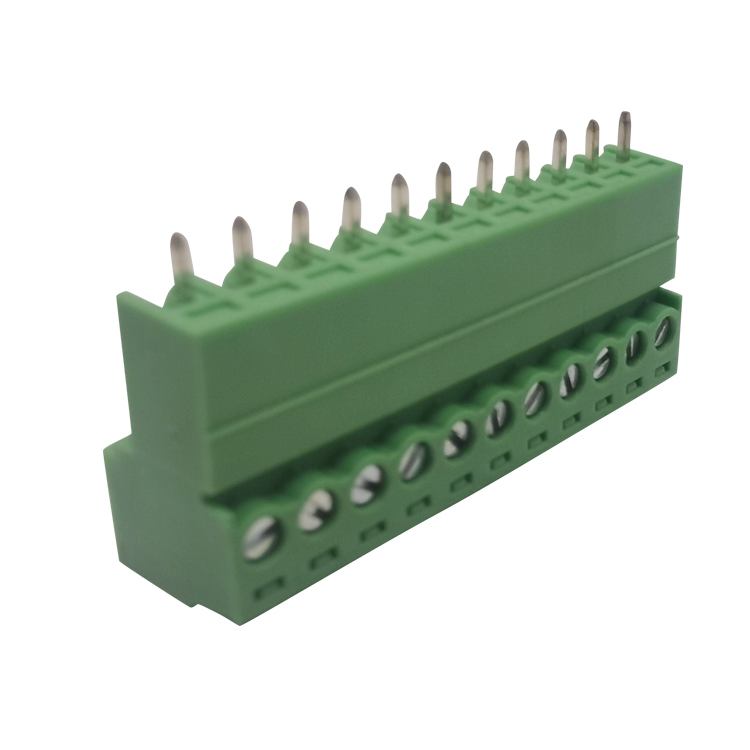
This is a highly practical and crucial issue. Selecting the right terminal block for equipment is key to ensuring safe, reliable, and long-lasting electrical connections.
This a clear and systematic selection guide, which you can follow to find the most suitable terminal for your equipment.
Step 1: Clarify Requirements — Understand What You Need
1.Current load (amperes, A)
This is the most important parameter. The terminal must be able to safely carry the maximum continuous current in the circuit and leave appropriate margin (usually it is recommended to choose a terminal with a rated current 20-30% higher than the actual maximum current).
The consequences of incorrect selection: Overloading can cause terminals to heat up, melt, and even trigger fires.
2.Voltage level (volts, V)
The terminal needs to be able to withstand the operating voltage and possible transient overvoltage in the circuit.
Common voltages include low voltage (such as 12/24/48VDC), industrial control voltage (110/220VAC), or higher voltage.
3.Wire specifications (wire diameter, mm ² or AWG)
The terminal must perfectly match the cross-sectional area of the wire. Too much pine can cause poor contact and overheating; If it is too tight, it will damage the wire.
Please accurately measure the square of the wire (mm ²) or the American Wire Gauge (AWG) value.
4.How many wires need to be connected?
Single core wire vs multi stranded wire: Some terminals (such as pin crimping terminals) are only suitable for multi stranded wires, while wiring blocks can accommodate both, but it is sometimes recommended to use pin terminals for multi stranded wires.
Number of wires: Is it a 1-to-1 connection, a 1-to-many connection, or is it necessary to connect multiple wires to one point?
5.How is the usage environment?
Temperature: Is the ambient temperature very high (such as near the engine) or very low?
Humidity: Is it used in a damp or humid environment?
Vibration: Is the equipment in a vibrating state (such as vehicles, machine tools)? Terminals with anti vibration design are required for vibration environments.
Chemical substances: Will they come into contact with oils, solvents, or other chemicals?
Outdoor use: Do you need UV protection, waterproof and dustproof (refer to IP rating)?
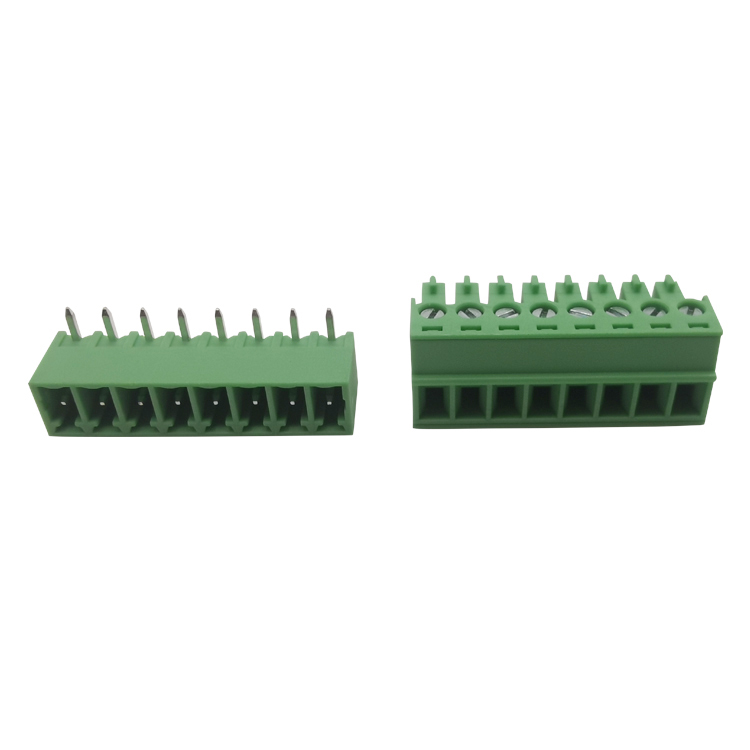
Step 2: Key Selection Parameter Checklist
Match the requirements of the first step with the specifications of the terminals:
| Parameters | Parameters | Terminal specification sheet |
| Electrical | Current (A)/Voltage (V) Rated | Current/Voltage |
| Mechanical | wire specification (mm ²/AWG) | applicable wire range |
| Screw torque (if any) | Recommended torque (N · m) | |
| Connection type (screw, spring, plug) | wiring technology | |
| Environmental | temperature | operating temperature range |
| Protection level IP | rating (such as IP20, IP67) | |
| Certification requirements (export) | UL, cUL, VDE, T Ü V, etc | |
| Material | Corrosion resistant and conductive conductor material | usually copper, with tin/nickel/silver plating on the surface |
| Insulation and flame retardant | insulation material (usually PA66 nylon, with UL94 V-0 flame retardant rating) |
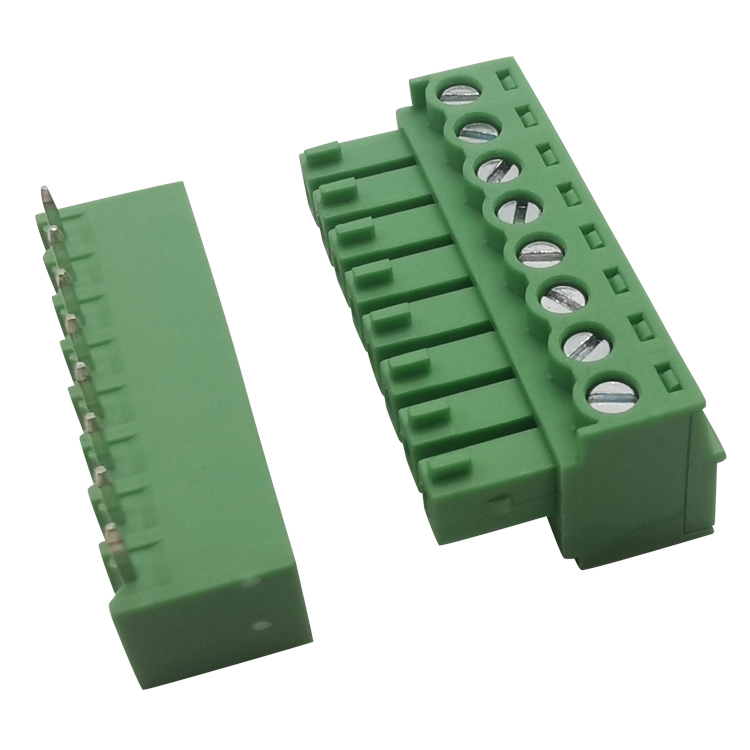
Step 3: Practical suggestions and summary
Quality priority: Do not use inferior terminals of unknown origin. They may use inferior materials (such as iron instead of copper), thin coatings, and non flame retardant insulation materials, which are serious safety hazards.
Matching tool: For crimping terminals, it is strongly recommended to use professional crimping pliers. Using mismatched tools or pliers for crimping cannot guarantee the quality of crimping, which can easily lead to poor contact.
Sample testing: Before bulk procurement, if conditions permit, a small amount of samples can be purchased for testing. Check its clamping force, conductivity, and temperature resistance.
Seeking professional help: If unsure, you can ask us for help ,NingBo HongYi Electronic Co., we will give you a professinal answer.
To summarize, the process of finding the correct wiring terminals for a device is:
Clear requirements (current/voltage/wire diameter/environment) → Verify parameters (rated value/material/certification) → Practical verification (tools/samples)
By following this process, you can find the safe and reliable "right terminal block" for your device.